Concrete contractors on Exchange
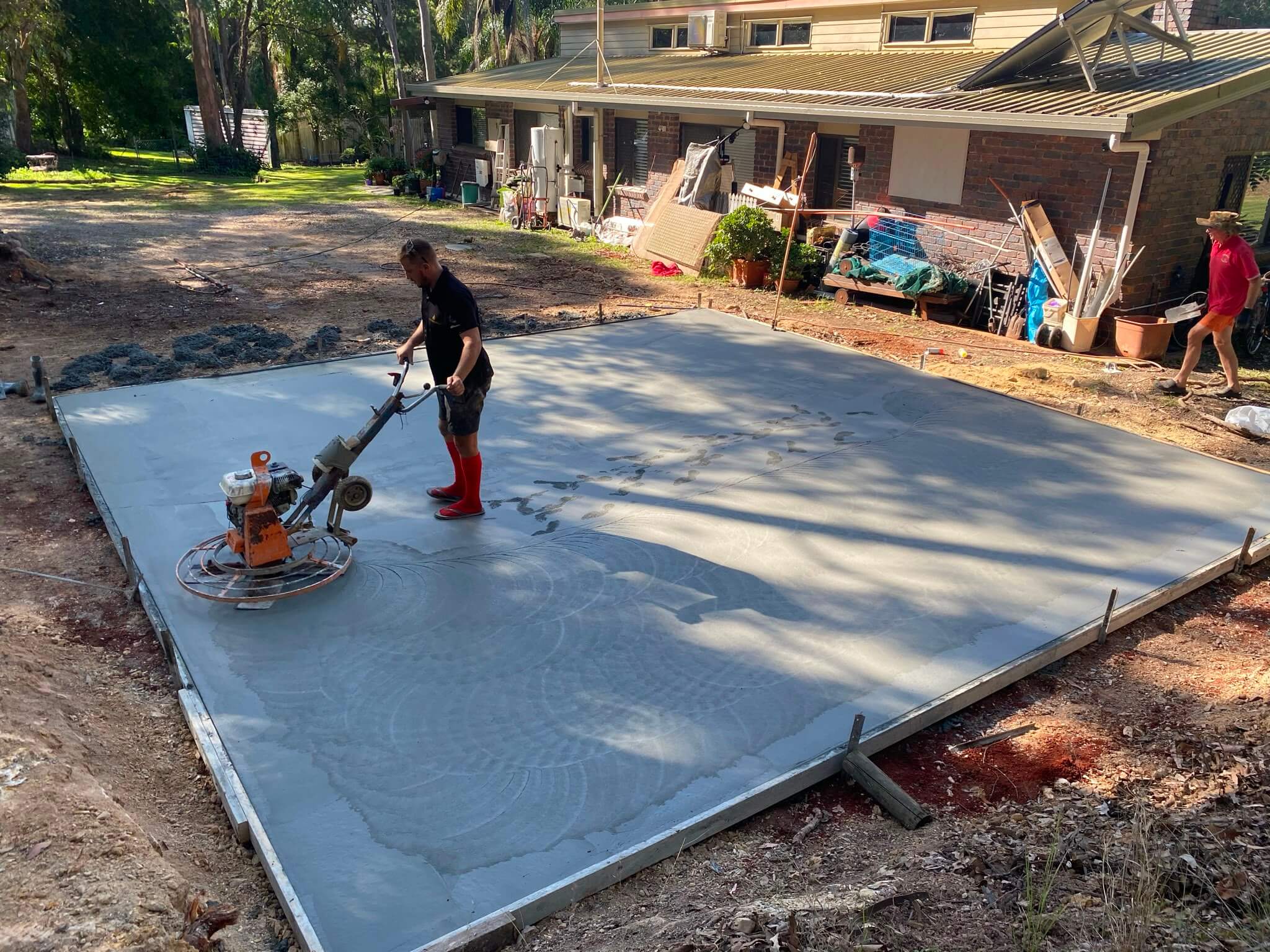
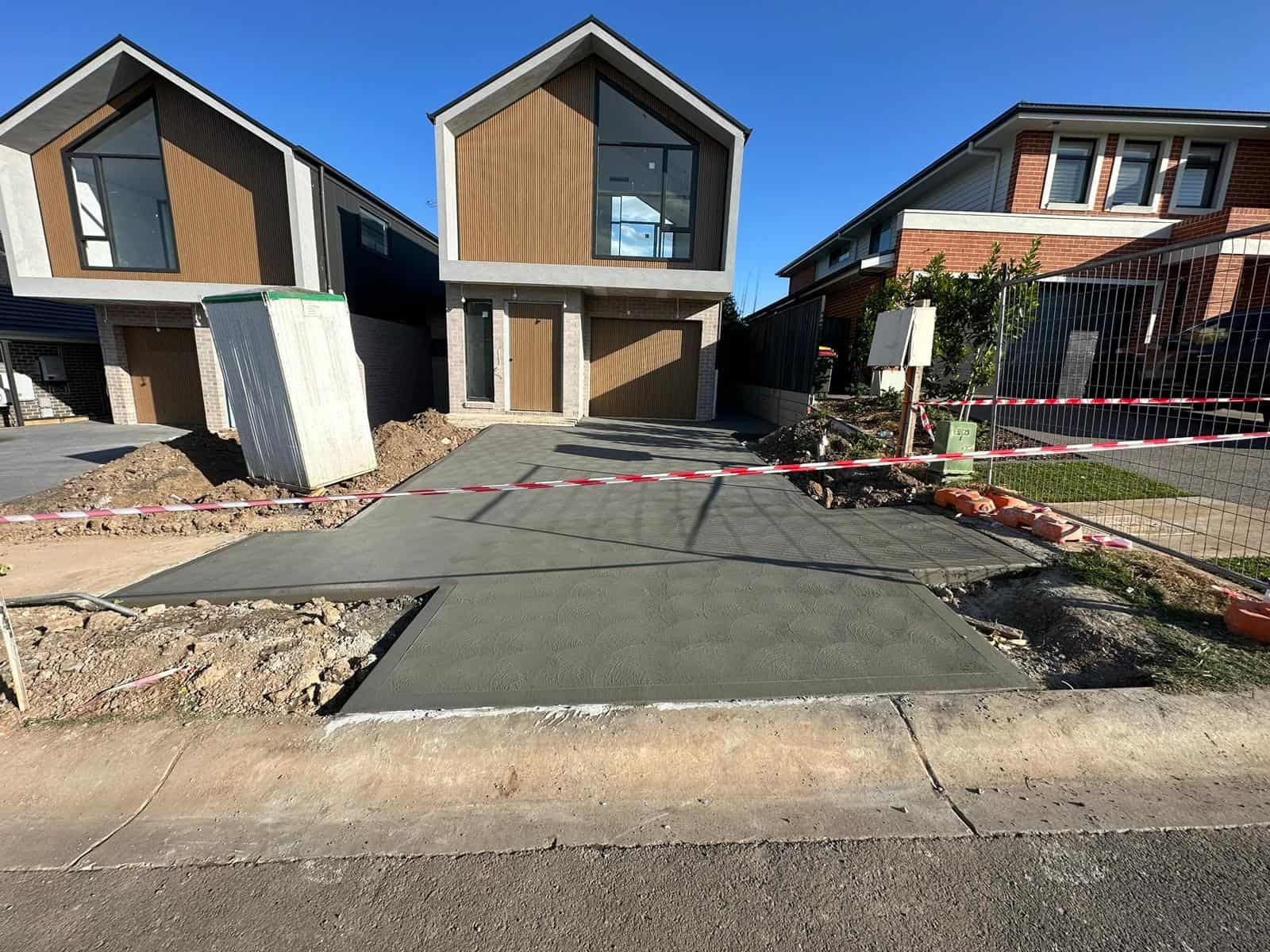
Concrete is the material almost every project depends on and the one with the least tolerance for error. Foundations, slabs, structural frames, tilt-up panels, paving and post-tensioned decks all have to be right the first time, because once concrete is placed and cured, fixing a mistake means demolition rather than adjustment. The concrete firms listed on Exchange cover that full spectrum — residential footings and flatwork, commercial slabs-on-grade and structural concrete, decorative and polished finishes, tilt-up construction, and heavy-civil and industrial placements — along with the rebar, formwork and finishing specialties that concrete work depends on.
Like most site trades, concrete is intensely local. Ready-mix has a working life measured in minutes once it leaves the plant, so the batch plant, the aggregate source and the crew all have to be within a tight radius of the pour. That physical reality, layered on top of region-specific codes and climate, is why the right concrete contractor is almost always a regional one — and why filtering by both trade and geography is the fastest way to build a credible shortlist.
Why concrete is a regional trade
Three factors tie concrete work to place. First, logistics: ready-mix must be discharged before it starts to set, so contractors work within the delivery range of local plants and are fluent in the mix designs those plants supply. Second, climate: hot-weather placement in the Sun Belt has to manage rapid slump loss, plastic-shrinkage cracking and curing in high heat, while cold-weather work in Canada and the northern states must protect concrete from freezing, manage freeze-thaw durability, and specify air entrainment and de-icing-salt resistance accordingly. Third, code and inspection: structural concrete is governed by ACI standards and locally adopted building codes, with special inspection, mix submittals and strength testing enforced by the authority having jurisdiction — and those requirements, and the inspectors who apply them, are local.
What to look for when you hire
The markers of a capable concrete contractor travel across markets: a track record on the specific type of work you need (flatwork, structural, tilt-up and paving are genuinely different skills), a real quality process around mix submittals, slump and air testing and cylinder breaks, and crews that understand placement, consolidation, finishing and curing as a connected sequence rather than isolated steps. On structural work, ask how the firm coordinates with the rebar and post-tensioning trades and how it handles cold-joint and construction-joint detailing. On decorative and polished work, ask to see cured examples, because finish quality only shows once the surface is complete.
Browse concrete contractors by region
Concrete markets are defined by the local ready-mix supply, the climate the work has to survive, and the codes the authority having jurisdiction enforces. Explore the regional directories to see the firms active where your project sits, including concrete contractors in Texas and concrete contractors in Ontario. Each regional page lists the firms serving that market with their categories, locations and contact details, so you can shortlist by proximity and specialty.
Browse by region
Frequently asked questions
What does a concrete contractor do?
Concrete contractors form, place, finish and cure concrete for foundations, slabs, structural frames, tilt-up panels, paving and decorative surfaces. Many specialise — residential flatwork, commercial slabs, structural and post-tensioned concrete, or heavy-civil placements — and coordinate closely with the rebar, formwork and finishing trades.
Why does the right concrete contractor depend on location?
Ready-mix concrete has to be placed within minutes of leaving the batch plant, so concrete crews work within a tight radius of local plants and aggregate sources. Climate and locally adopted codes add to that: hot-weather placement in Texas and cold-weather, freeze-thaw-resistant work in Ontario are different disciplines, so the regional directories help you find firms fluent in your market.
What should I check before hiring a concrete contractor?
Confirm a track record on your specific type of work (flatwork, structural, tilt-up and paving are distinct skills), a real quality process around mix submittals, slump and air testing and cylinder breaks, and crews that treat placement, consolidation, finishing and curing as one connected sequence. On structural work, ask how they coordinate with the rebar and post-tensioning trades.
How does climate change concrete work?
Hot-weather placement must manage rapid slump loss, plastic-shrinkage cracking and curing in high heat, while cold-weather work must protect concrete from freezing and specify air entrainment and de-icing-salt resistance for freeze-thaw durability. That is why concrete expertise is regional rather than one-size-fits-all.
What standards govern structural concrete?
Structural concrete follows ACI standards and locally adopted building codes, with special inspection, mix-design submittals and strength testing enforced by the authority having jurisdiction. The exact requirements — and the inspectors who apply them — vary by location.
How do I choose a concrete contractor on Exchange?
Start from the regional directory for your market, shortlist by proximity and by the specific concrete specialty you need, and confirm quality-control practices and coordination with related trades. For decorative or polished work, ask to see cured, completed examples.