Short answer: Demolition contractors take structures down safely and lawfully, and the regulated part of the work is almost never the demolition itself — it is the asbestos survey and notification, the utility disconnection and locate, the hazardous material removal, and the waste stream. Very few jurisdictions issue a standalone demolition licence; most fold it into a general or building contractor classification with a local specialty option.
What a demolition contractor does
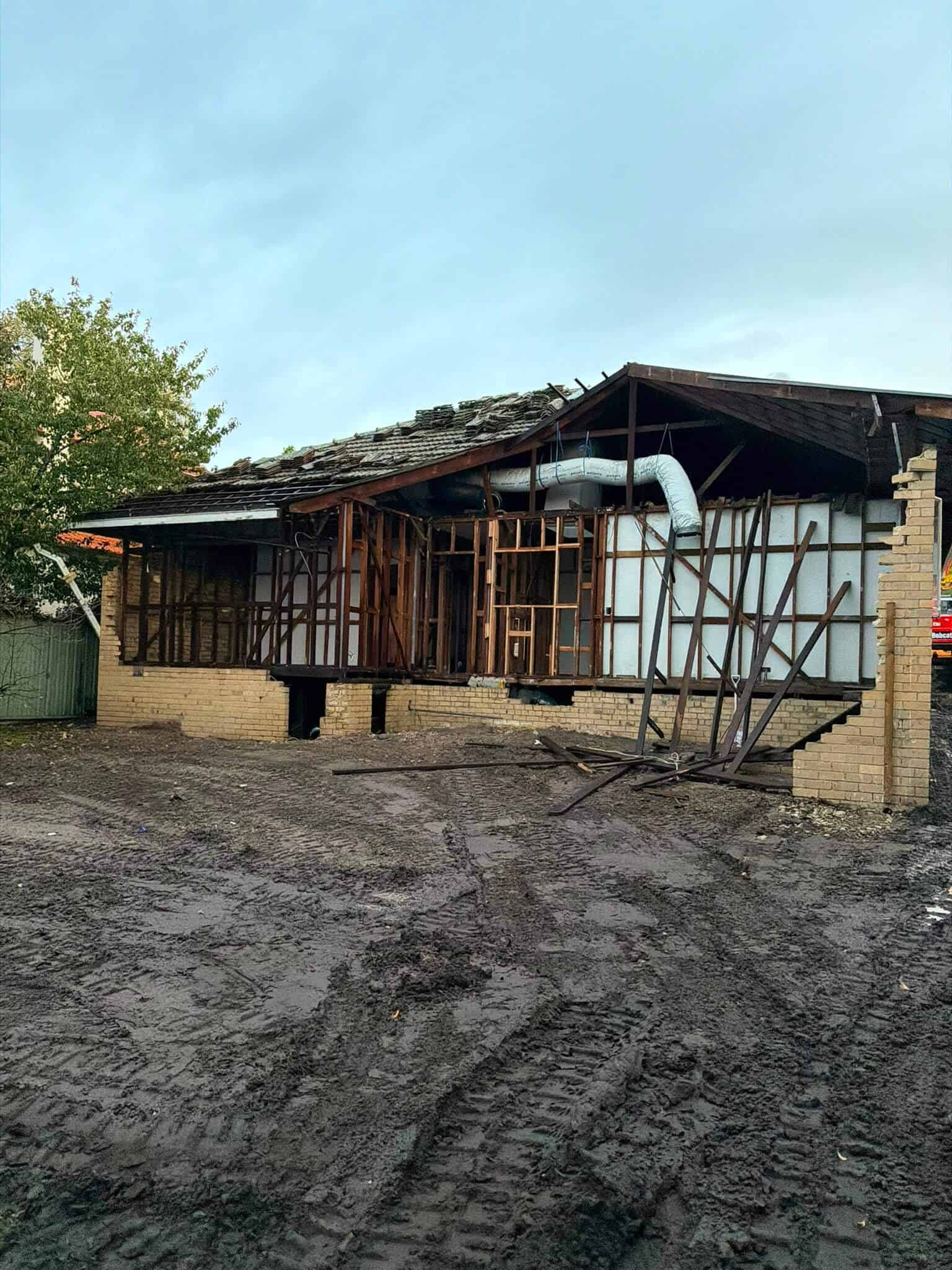
Demolition covers a wide range of work with very different risk profiles. Full structural demolition takes a building to slab or to grade. Selective or soft-strip demolition removes interior finishes, services and non-structural elements while the structure and often the occupancy remain, and it is the dominant form of demolition work in commercial fit-out markets. Deconstruction dismantles a building for material recovery rather than speed. Industrial decommissioning adds process equipment, tanks and contamination. Each carries a different engineering requirement, a different waste stream and a different insurance profile, and a contractor competent in one is not automatically competent in another.
The survey and notification come first
In most jurisdictions an asbestos survey by an accredited inspector is required before a structure is demolished or substantially renovated, and a written notification must be given to the environmental regulator a set number of working days before work starts. The point that catches contractors out repeatedly is that the notification is commonly required for a demolition even where the survey finds no asbestos. A clean survey does not end the obligation; it changes what the notification says. Ordered demolitions of structurally unsound buildings usually have a shortened route but still require notice. Beyond asbestos, regulated items including mercury switches, fluorescent lamps, refrigerant-bearing equipment, lead-acid batteries and PCB-containing ballasts must be removed and handled separately before the structure comes down.
Engineering the sequence
A demolition plan is a structural engineering document. It sets out the sequence in which elements are removed, the temporary stability measures required at each stage, the exclusion zones, and the means of protecting adjacent property and the public. On attached and party-wall structures the plan must also address what happens to the neighbour: underpinning, weatherproofing an exposed wall, and the party wall or adjoining owner procedures that apply locally. Structures that were altered over decades rarely behave the way the original drawings suggest, and the single most common cause of an uncontrolled collapse is a load path that was assumed rather than verified.
Utilities and the locate
Every jurisdiction operates a one-call or before-you-dig service, and notice must be given within a defined window before excavation or demolition begins, with an obligation to excavate carefully within a tolerance zone either side of marked services and to maintain the markings through the work. Demolition contractors carry more exposure here than most trades, because a building being taken down frequently has live services that were never properly abandoned and because record drawings for an older building are an unreliable guide to what is actually in the ground. Written disconnection confirmations from each utility, not verbal ones, are the standard of care.
Waste, recovery and the economics
Disposal is frequently the largest single line in a demolition price, and diversion is increasingly both a regulatory requirement and a commercial advantage. Concrete and masonry crushed on site can become engineered fill and avoid two haulage movements. Structural steel and non-ferrous metals carry real scrap value that should appear in the bid as a credit rather than disappear into the contractor's margin. Timber, brick and architectural salvage have established markets in some regions. Contaminated soil beneath a former fuel-handling, plating or dry-cleaning use is the most common source of unbudgeted cost on a commercial teardown, and a Phase I environmental assessment before bid is inexpensive insurance against it.
How to choose a demolition contractor
- Confirm the licence or registration that covers demolition in the specific jurisdiction, not just in the state or province generally.
- Ask who prepares the demolition plan and whether it is engineer-sealed.
- Check the asbestos survey has been done by an accredited inspector and that the notification period is in the programme.
- Require written utility disconnection confirmations before mobilisation.
- Ask how salvage and scrap value are treated in the price, and whether diversion targets apply.
List your demolition firm
Exchange is an open directory of construction firms. Demolition contractors can list a firm free through the Add a Listing page.
Browse by region
Frequently asked questions
Do demolition contractors need a special licence?
Very few jurisdictions issue a standalone demolition licence. Demolition usually falls within the scope of a general or building contractor classification, with a local demolition specialty licence available in some counties and municipalities.
Is an asbestos survey required before demolition?
In most jurisdictions yes, performed by an accredited inspector, together with a written notification to the environmental regulator a set number of working days before work begins. The notification is commonly required even where the survey finds no asbestos.
What is selective demolition?
Selective or soft-strip demolition removes interior finishes, services and non-structural elements while the structure and often the occupancy remain. It is the dominant form of demolition work in commercial fit-out markets and carries a different risk profile from full structural demolition.
What must be removed before a building is demolished?
Regulated items including mercury switches, fluorescent lamps, refrigerant-bearing equipment, lead-acid batteries and PCB-containing ballasts must be removed and handled separately, in addition to any asbestos-containing material identified by the survey.
Who prepares a demolition plan?
A demolition plan is a structural engineering document setting out the removal sequence, temporary stability measures, exclusion zones and protection of adjacent property. On any structure of consequence it should be engineer-sealed.
How does salvage affect a demolition price?
Structural steel and non-ferrous metals carry real scrap value that should appear as a credit in the bid. Concrete and masonry crushed on site can become engineered fill and avoid two haulage movements, and disposal is frequently the largest single line in the price.
What is the most common unbudgeted demolition cost?
Contaminated soil beneath a former fuel-handling, plating or dry-cleaning use. A Phase I environmental assessment before bid is inexpensive relative to the exposure.