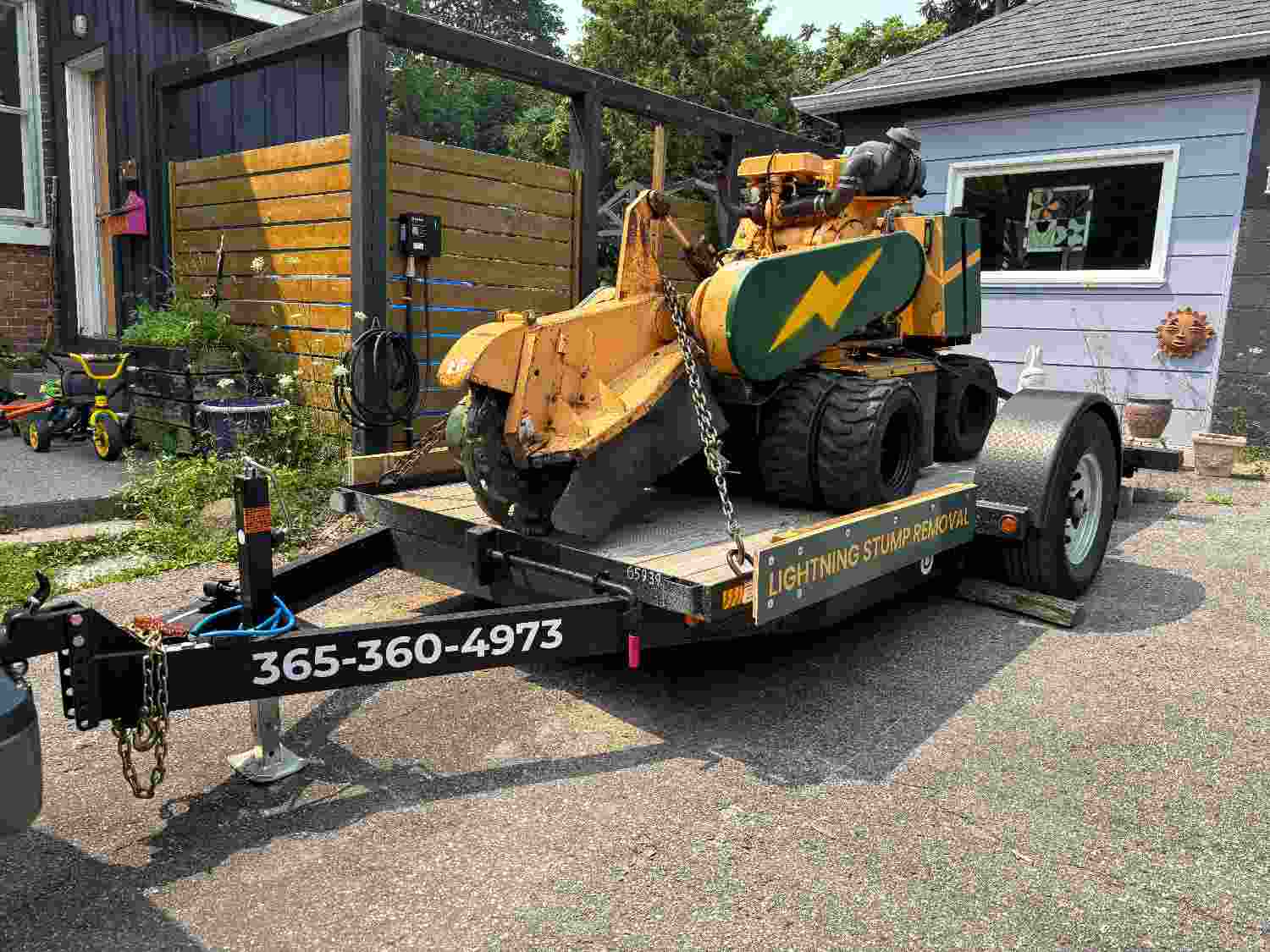
Short answer: Exchange lists 12 site works and landscaping contractors in Ontario. Ontario does not licence the trade, but it regulates the work heavily: WSIB coverage is mandatory in construction, O. Reg. 213/91 governs excavation and trenching, Ontario One Call locates are compulsory before any dig, and O. Reg. 406/19 controls excess soil from characterisation through to a provincial registry.
Site works contractors in Ontario
There is no provincial licence to call yourself a sitework or landscape contractor in Ontario. What exists instead is a dense stack of statutory duties attached to the activity rather than to the person, and it is stricter than most licensing regimes elsewhere. A contractor who has never sat an examination can be prosecuted under the Occupational Health and Safety Act, fined under the excess soil regulation, held liable under the Underground Infrastructure Notification System Act and denied lien rights under the Construction Act — all on the same project.
The obligations that actually bind
| Obligation | Source | Trigger |
|---|---|---|
| WSIB coverage, including most independent operators | Workplace Safety and Insurance Act | Carrying on business in construction |
| Notice of Project; trench and excavation protection | O. Reg. 213/91 under the OHSA | Excavation depth and project value thresholds |
| Locate request before excavation | Ontario One Call / Underground Infrastructure Notification System Act | Any ground disturbance |
| Excess soil characterisation, tracking and registry filing | O. Reg. 406/19 | Moving soil off site above volume thresholds |
| Prompt payment and adjudication | Construction Act | Proper invoice issued |
Excavation under O. Reg. 213/91
Part III of the Construction Projects regulation is the part that puts people in hospital when it is ignored. Ontario classifies soil into four types and sets the required protection accordingly: a worker may not enter a trench deeper than 1.2 metres unless the walls are sloped, shored, or a trench box is used, and the required slope varies with soil type from a gentle batter in Type 4 to a steep one in Type 1. Spoil must be kept back from the edge, access ladders placed within a defined distance of the work, and a Notice of Project filed with the Ministry of Labour where thresholds are met. The regulation also mandates Working at Heights training from a Chief Prevention Officer-approved provider for anyone who may use fall protection — which on landscape and hardscape work is more people than firms expect.
Ontario One Call is not advisory
Every ground disturbance in Ontario requires a locate request through Ontario One Call, and the statutory clock for delivery of locates runs in business days. Beginning work on an expired or absent locate is an offence, and it is also the fastest way to a gas strike, an electrical contact and a very expensive third-party claim. The practical discipline is to build locate lead time into the schedule at tender rather than at mobilisation, and to re-request when locates expire mid-project — a long landscape programme will outlive its first set.
Excess soil is the regulation that changed the business
O. Reg. 406/19, the On-Site and Excess Soil Management regulation, converted soil from a haulage line item into a regulated waste stream with a documentary chain. Depending on volume and destination, a project owner must have the soil characterised by a qualified person, prepare an excess soil destination assessment and a soil characterisation report, track loads, and file a notice on the province's Excess Soil Registry before hauling begins. Landfilling restrictions now bite on soil that could have been reused. For a sitework contractor the effects are concrete: the qualified-person work has a lead time, the destination has to be secured before the excavation starts rather than during it, and a tender that prices soil disposal without a characterisation is pricing a risk rather than a cost. Firms that built the sampling relationship early have a structural advantage in bidding earthworks here.
Conservation authorities, species and timing windows
Ontario layers environmental approvals on top of municipal ones. Conservation authorities hold permitting authority over development near watercourses, wetlands, valleylands and shorelines, and their permits are separate from and additional to a site plan approval. Migratory bird nesting windows constrain vegetation clearing through the spring and early summer, species-at-risk screening can stop a schedule outright, and in-water work has fisheries timing windows that vary by watershed. None of these are discretionary and all of them are seasonal, which is why the Ontario earthworks calendar is genuinely narrower than the frost calendar alone would suggest.
Frost, thaw and half-load season
Southern Ontario design frost depth runs around 1.2 metres and deeper to the north, which governs footing depth, service burial and the winter shutdown on foundation work. The less obvious constraint is the spring thaw: municipalities and counties impose reduced load limits on many roads through March, April and May to protect pavement while the subgrade is saturated. Half-load season restricts what a contractor can haul and when, and it lands precisely in the window when the season's earthworks would otherwise start. A programme that assumes full loads in April will be short of aggregate and long on standing time.
Prompt payment, adjudication and liens
Ontario's Construction Act is now one of the more contractor-friendly payment regimes in North America. A proper invoice starts a statutory clock: the owner pays the contractor within twenty-eight days, and the contractor pays subcontractors within a further seven, with non-payment requiring a written notice of non-payment in prescribed form. Disputes go to statutory adjudication, an interim binding process measured in weeks rather than years. Lien rights sit alongside: sixty days to preserve a lien from the last supply of services or materials or from substantial performance, and ninety days to perfect it by commencing an action. Sitework contractors, who are usually on site early and paid late, benefit more from the prompt-payment machinery than almost any other trade, and the notices are the price of access.
Verify obligations and check the source
These are the primary sources a contractor or an owner should read rather than rely on summary: O. Reg. 213/91, Construction Projects; O. Reg. 406/19, On-Site and Excess Soil Management; Ontario One Call, locate requests; Workplace Safety and Insurance Board, mandatory construction coverage.
Nearby regions and related trades
Site Works & Landscaping contractors in other regions: California, Victoria.
Other trades in Ontario: Concrete, Drywall, Electrical, General Contracting, HVAC, Mechanical, Plumbing, Roofing & Waterproofing.
Jump to licence verification sources for Site Works & Landscaping in Ontario, or back to all site works & landscaping contractors on Exchange.
Frequently asked questions
Do site works contractors need a licence in Ontario?
No provincial trade licence exists, but the work is heavily regulated. WSIB coverage is mandatory in construction, O. Reg. 213/91 governs excavation and fall protection, Ontario One Call locates are compulsory before any dig, and O. Reg. 406/19 controls excess soil.
How deep can a trench be in Ontario before protection is required?
A worker may not enter a trench deeper than 1.2 metres unless the walls are sloped, shored or protected by a trench box. The required slope depends on the soil type, which Ontario classifies from Type 1 to Type 4, with Type 4 requiring the gentlest batter.
What is O. Reg. 406/19 and how does it affect earthworks pricing?
It is Ontario's excess soil regulation. Depending on volume and destination it requires characterisation by a qualified person, a destination assessment, load tracking and a filing on the provincial Excess Soil Registry before hauling. The destination must be secured before excavation, not during.
Is a locate request mandatory in Ontario?
Yes, for any ground disturbance, through Ontario One Call. Locates have a statutory delivery period in business days and they expire, so a long programme will need re-requests. Working on an absent or expired locate is an offence as well as a serious safety risk.
What is half-load season in Ontario?
Reduced load limits imposed by municipalities and counties on many roads through March, April and May to protect pavement while the subgrade is saturated by thaw. It restricts hauling in exactly the window when the earthworks season would otherwise begin.
How does prompt payment work under Ontario's Construction Act?
A proper invoice starts a statutory clock: the owner pays the contractor within twenty-eight days and the contractor pays subcontractors within a further seven. Non-payment requires a written notice of non-payment in prescribed form, and disputes go to statutory adjudication.
How long do I have to preserve a construction lien in Ontario?
Sixty days from the last supply of services or materials, or from publication of substantial performance, to preserve the lien, and ninety days to perfect it by commencing an action. The prompt-payment notices run on their own, much shorter, clocks.