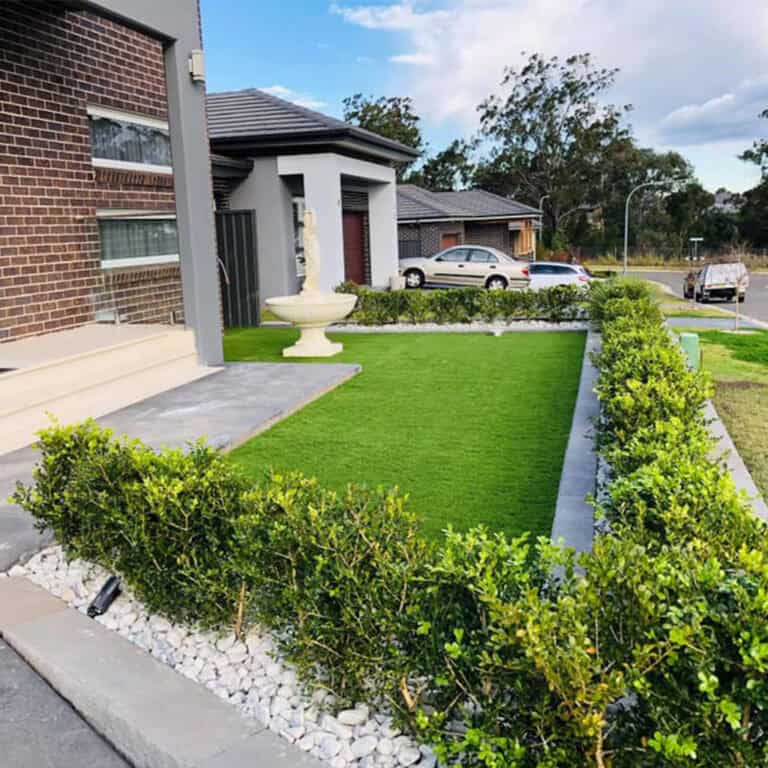
Site works and landscaping contractors in Victoria
Earthworks, civil site preparation and landscaping in Victoria sit under a regulatory framework that is unusually specific about three things: who may do the work, what happens to the soil that comes off site, and what has to be established about the ground before anything is disturbed.
Registration. The Victorian Building Authority (VBA) registers building practitioners, and domestic building work valued above $10,000 must be carried out by a registered builder, with domestic building insurance required above the statutory threshold. Commercial civil and earthworks contracting does not require VBA builder registration in the same way, but the operators do require licences: WorkSafe Victoria high-risk work licences cover the plant and activities that dominate a site-works package — dogging, rigging, crane and hoist operation, and the various classes of licensed plant — and excavation work near services, in trenches deeper than 1.5 metres, or involving shoring requires documented safe work method statements under the Occupational Health and Safety Regulations.
Soil is the defining Victorian issue
Two things about Victorian ground shape every site-works package in the state.
The first is reactive clay. Much of Melbourne — particularly the western and northern growth corridors through Melton, Wyndham, Hume and Whittlesea, and large parts of the south-east — sits on highly reactive basaltic and Silurian clays that shrink and swell dramatically with moisture. AS 2870 classifies sites from A (stable sand or rock) through M, H1, H2 and E (extremely reactive), and much of Melbourne classifies as H1, H2 or E. The site classification drives footing design, and it drives the site-works scope directly: cut-and-fill balance, controlled fill to AS 3798, subsurface drainage, and moisture management around the slab perimeter are not optional refinements on a reactive site, they are the difference between a building that performs and one that generates a Domestic Building Dispute Resolution Victoria claim in year three. Geotechnical investigation and a site classification report come before earthworks pricing in Victoria, not after.
The second is contaminated and classified soil. Victoria's Environment Protection Act 2017, which commenced in July 2021, replaced the old polluter-pays framework with a proactive General Environmental Duty (GED) requiring every person conducting an activity that may cause harm to eliminate or minimise risks so far as reasonably practicable. For site works this changed the economics of soil disposal fundamentally. Soil leaving a site must be classified — as fill material, or as Category C, B or A industrial waste under EPA Victoria's waste classification framework — and disposal cost escalates sharply by category. PFAS contamination in particular has become a routine finding on former industrial, airport, defence and fire-training-adjacent land across Melbourne, and PFAS-affected soil is expensive and constrained to dispose of. Victoria's waste levy on landfill disposal adds significantly to the cost of every cubic metre that leaves site. Any Victorian earthworks price that does not identify who bears classification risk and who owns the disposal category assumption is an incomplete price.
Cultural heritage: the step that must happen first
The Aboriginal Heritage Act 2006 requires a Cultural Heritage Management Plan (CHMP) before a statutory authorisation can be granted for a high-impact activity in an area of cultural heritage sensitivity — which in Victoria includes land within 200 metres of a named waterway, coastal Crown land, and a range of defined landforms, plus registered places. Large parts of Melbourne's growth corridors and much of regional Victoria fall within these areas. A CHMP requires assessment by a heritage advisor, consultation with the relevant Registered Aboriginal Party, and often standard or complex assessment involving subsurface testing. It cannot be retrofitted: ground disturbance without a required CHMP is an offence, and it stops projects. On any greenfield or waterway-adjacent Victorian site, the CHMP question precedes the earthworks programme.
The Big Build and what it does to the market
Victoria has run the largest sustained civil infrastructure programme in Australia — the Level Crossing Removal Project, Metro Tunnel, North East Link, West Gate Tunnel and the regional rail programme — and it has absorbed a very large share of the state's civil plant, labour and materials capacity for a decade. The practical effect on the private market is competition for experienced plant operators and surveyors, and a supply chain accustomed to major-project documentation standards. It has also raised the baseline: environmental management plans, dilapidation surveys, traffic management, noise and vibration monitoring and stakeholder communication are now expected on mid-sized private projects because the workforce learned them on the Big Build.
Melbourne's growth corridors continue to drive residential subdivision civil works — roads, drainage, sewer and water reticulation to Melbourne Water and the retail water authorities' standards — while the industrial build-out in the west around Truganina, Derrimut and Laverton drives large-format hardstand, pavement and stormwater work.
Choosing a site works contractor in Victoria
Ask for the site classification and geotechnical report before accepting an earthworks price, and ask explicitly how the price treats soil classification and disposal category — that assumption is where Victorian earthworks budgets are won and lost. Confirm WorkSafe Victoria high-risk work licences for the plant proposed, confirm public liability and, for domestic work above threshold, VBA registration and domestic building insurance. On greenfield or waterway-adjacent land, confirm the CHMP position before mobilisation. Ask whether they have worked to AS 3798 for controlled fill and who provides level 1 or level 2 inspection and testing.
The site works and landscaping contractors listed here operate across Victoria — Melbourne and the western, northern and south-eastern growth corridors, Geelong, Ballarat and Bendigo — on bulk earthworks, civil subdivision, hardstand and pavement, drainage, retaining and commercial landscaping. Each listing shows trade categories, service area and contact details.
Nearby regions and related trades
Site Works & Landscaping contractors in other regions: California, Ontario.
Jump to licence verification sources for Site Works & Landscaping in Victoria, or back to all site works & landscaping contractors on Exchange.
Frequently asked questions
What registration do site works contractors need in Victoria?
Domestic building work above $10,000 must be carried out by a builder registered with the Victorian Building Authority, with domestic building insurance above the statutory threshold. Commercial civil and earthworks contracting relies instead on WorkSafe Victoria high-risk work licences for the plant and activities involved, plus documented safe work method statements for trenching and excavation.
What is an AS 2870 site classification and why does it matter in Melbourne?
AS 2870 classifies sites from A through M, H1, H2 and E according to how much the soil shrinks and swells with moisture. Much of Melbourne, particularly the western and northern growth corridors, classifies as H1, H2 or E because of highly reactive clays. The classification drives footing design and dictates the cut and fill, controlled fill, drainage and moisture management scope in the site works package.
How is soil disposal regulated in Victoria?
Soil leaving a site must be classified as fill material or as Category C, B or A industrial waste under EPA Victoria's framework, and disposal cost rises sharply by category. The Environment Protection Act 2017 imposes a General Environmental Duty to eliminate or minimise risk of harm, and the state landfill levy adds significantly to per cubic metre disposal cost.
Why is PFAS a common problem on Victorian sites?
PFAS contamination is routinely found on former industrial land and on sites near airports, defence establishments and fire training grounds across Melbourne. PFAS-affected soil is costly and constrained to dispose of, so identifying it during investigation rather than during excavation is critical to the earthworks budget.
What is a Cultural Heritage Management Plan and when is one required?
Under the Aboriginal Heritage Act 2006, a CHMP is required before statutory authorisation for a high-impact activity in an area of cultural heritage sensitivity, which includes land within 200 metres of a named waterway, coastal Crown land, certain landforms and registered places. It involves a heritage advisor, consultation with the Registered Aboriginal Party and often subsurface testing, and ground disturbance without a required CHMP is an offence.
What is AS 3798 and when does it apply?
AS 3798 is the Australian Standard for earthworks on commercial and residential developments. It sets out inspection and testing levels for controlled fill, including compaction testing frequency and supervision level. On any project relying on engineered fill to support pavements or structures, the contract should state which inspection level applies and who provides the testing.
How has the Victorian Big Build affected private construction?
The Level Crossing Removal Project, Metro Tunnel, North East Link and West Gate Tunnel absorbed much of the state's civil plant and experienced labour for a decade, tightening availability of operators and surveyors. It also raised documentation expectations, so environmental management plans, dilapidation surveys, traffic management and noise and vibration monitoring are now standard on mid-sized private projects.