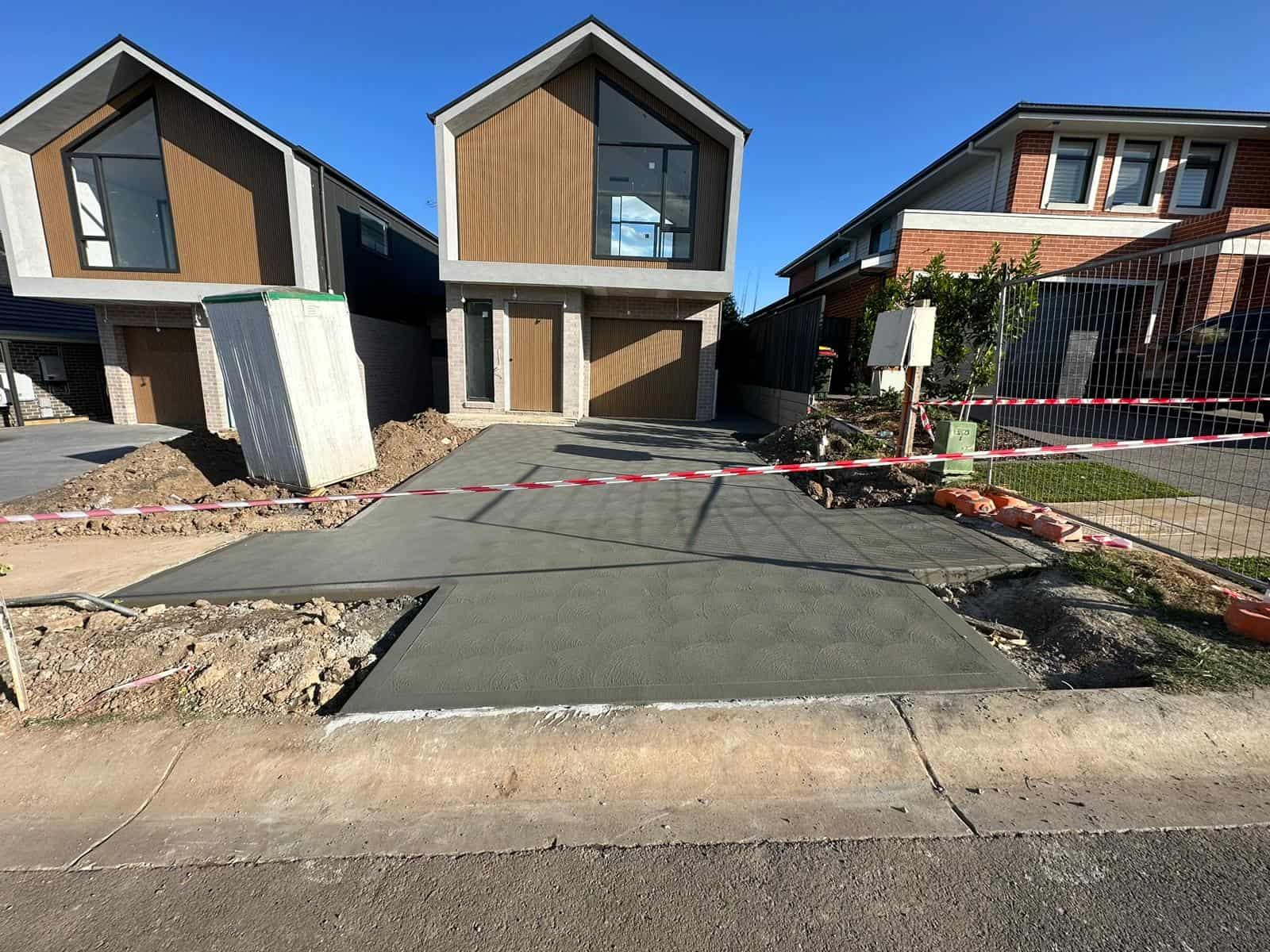
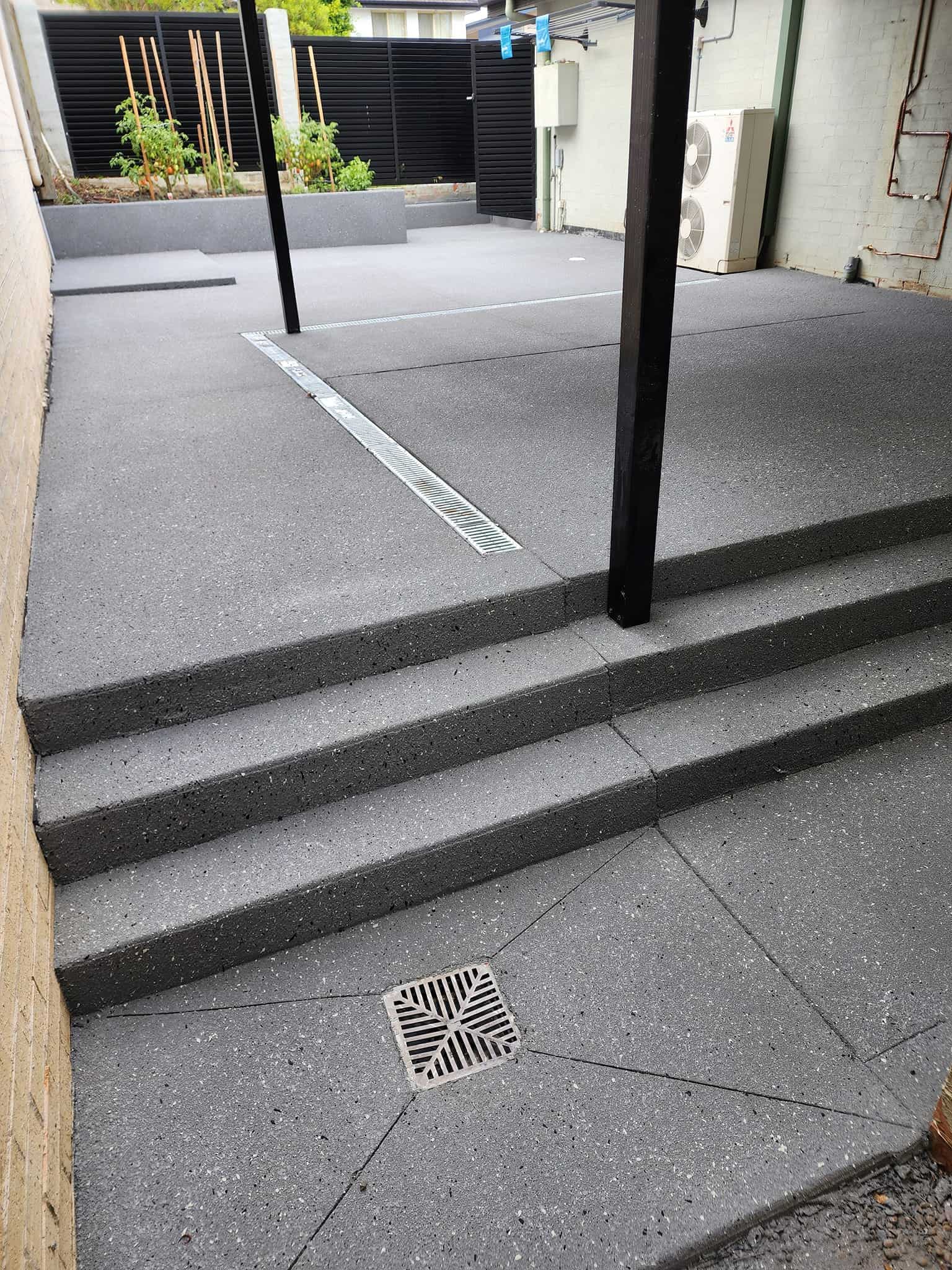
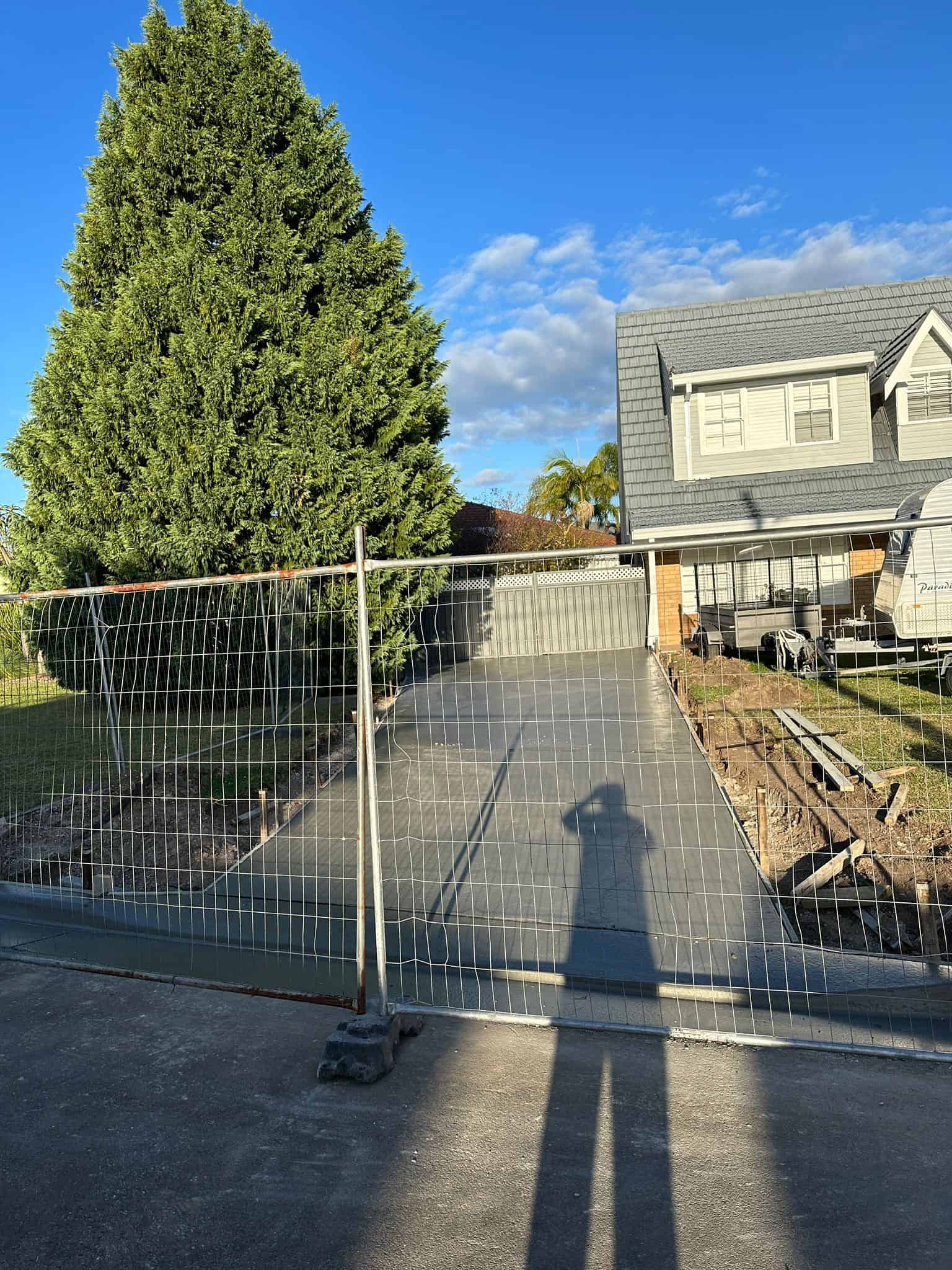
The top formwork, concrete supply, rebar and precast related companiesin New South Wales.
Short answer: Exchange lists 5 concrete contractors in New South Wales. Residential concreting is regulated by Building Commission NSW under the Home Building Act 1989, which requires a general concreting licence for work worth more than $5,000 including GST in labour and materials. Jobs over $20,000 also need Home Building Compensation Fund cover before any deposit is taken. NSW currently applies NCC 2022, which calls up AS 3600 for concrete structures, and will adopt NCC 2025 on 1 May 2027.
Regulator
Building Commission NSW, launched in December 2023, manages contractor licensing for residential building and trade work in New South Wales under the Home Building Act 1989.
Licence threshold
In New South Wales a licence is required for general concreting work where the reasonable market cost of labour and materials exceeds $5,000 including GST.
Home warranty
New South Wales residential jobs over $20,000 need Home Building Compensation Fund insurance in place before work starts or any money, including the deposit, is taken.
Deposit cap
Home building contracts in New South Wales cannot require a deposit of more than 10 percent of the contract price.
Payment claims
Under the NSW Building and Construction Industry Security of Payment Act 1999, progress payments are due within 20 business days of a subcontractor's claim unless the contract sets an earlier date.
Changing soon
New South Wales will adopt NCC 2025 on 1 May 2027, and the Building (Approvals and Practitioners) Act 2026 will replace the Design and Building Practitioners Act 2020 once proclaimed.
Who licenses concrete contractors in New South Wales?
Residential concreting in New South Wales is licensed under the Home Building Act 1989. The licensing pages, licence checks and sample contracts are now managed by Building Commission NSW, the dedicated building regulator that launched in December 2023 and absorbed the Office of the Building Commissioner from NSW Fair Trading. Applications are lodged through Service NSW, and the Building Commission handles enquiries on 13 27 00.
General concreting is one of the named trade classes. A licence or certificate is needed to do general concreting work on residential building work where the reasonable market cost of labour and materials is more than $5,000 including GST. The penalties for unlicensed work are significant: up to $22,000 for an individual and up to $110,000 for a company under the Home Building Act. Below the $5,000 threshold no licence is required, but owners should be cautious about jobs that are split to sit under the line.
There are three credentials. A contractor licence, issued to an individual or to a company or partnership, allows the holder to contract with the public and advertise concreting work. A qualified supervisor certificate allows a qualified person to do and supervise the work, but not to contract in their own right. An endorsed contractor licence combines both for an individual. Licences and certificates can be issued for one, three or five years, and individual applicants must supply a National Police Check no older than four months.
To qualify, applicants generally need a Certificate III in Concreting, currently CPC30320, or one of the superseded versions such as CPC30318 or CPC30313. Building Commission NSW also accepts Certificate III in Formwork/Falsework and certain Certificate III in Construction Carpentry qualifications. Apprentices and trainees cannot be issued a licence until they complete their training. When hiring a business, confirm that the company itself holds a contractor licence and that a nominated supervisor holds a qualified supervisor certificate or endorsed licence for general concreting.
What does a general concreting licence cover in New South Wales, and what does it exclude?
Building Commission NSW defines general concreting work broadly. It includes concrete laying and placement; formwork, reinforcement fixing and concreting to construct a dwelling, or a garage, outbuilding or swimming pool used with a dwelling; decorative finishes such as stencilling, stamped patterns, exposed aggregate and pebblecrete; concrete repairs and resurfacing; and the excavation needed before concreting. That scope covers most of what homeowners hire a concreter for, from house slabs and driveways to pool surrounds.
Retaining walls are a common grey area. A general concreting licence covers retaining walls that do not need approval under the Local Government Act 1993. Retaining walls that do need approval fall under structural landscaping or general building work, which requires a different licence class. Before engaging a concreter to build a retaining wall on a sloping Sydney or Central Coast block, check whether council approval or an engineer's design is required and whether the concreter's licence covers it.
The class also excludes major site preparation, excavation that requires shoring, and any excavation that could compromise neighbouring structures. That work needs an excavator or builder licence. Underpinning and piering is a separate licence class in New South Wales as well, so a concreter whose licence covers slabs and paths may not be licensed to underpin a cracked house footing, even though the work involves concrete.
For new homes and major renovations, the concrete is usually supplied under the builder's licence and contract, with the concreter engaged as a subcontractor. In that structure the homeowner's contract, home warranty insurance and statutory warranties sit with the licensed builder. Owners who engage a concreter directly for a standalone job, such as a driveway or shed slab, take on the role of the principal and should check the concreter's own licence, insurance and contract documents with the same care.
Which licences, permits and registrations apply in New South Wales?
Licence / permit / registration
Issued by
Who needs it
Key threshold or rule
Contractor licence (general concreting)
Building Commission NSW, applied for via Service NSW
Individuals, companies or partnerships contracting for residential concreting
Required where labour and materials exceed $5,000 including GST; issued for 1, 3 or 5 years
Individuals who do or supervise concreting work but do not contract
Certificate III in Concreting (CPC30320 or earlier versions) or accepted equivalent
Home Building Compensation Fund insurance
icare HBCF
Licensed contractors on residential jobs over $20,000
Must be in place before work starts or any money, including the deposit, is taken
Registration as a building practitioner
Building Commission NSW under the Design and Building Practitioners Act 2020
Practitioners declaring building work on class 2 buildings
Applies until replaced by the Building (Approvals and Practitioners) Act 2026 on proclamation
Road reserve consent
Local council under section 138 of the Roads Act 1993
Anyone building or altering a driveway crossing, kerb or footpath
Council specifications and inspections apply before and during the pour
High risk work licence, concrete placing boom
SafeWork NSW
Operators of boom-type concrete pumps
Licence required to operate the plant
How do I check a concrete contractor in New South Wales before I sign?
7 checks, in order, using the New South Wales registers and rules described on this page:
Use the Building Commission NSW online licence check to confirm the business holds a current contractor licence for general concreting in the name shown on your quote.
Confirm the job sits within the general concreting class; retaining walls needing approval, shoring excavation and underpinning need a builder, structural landscaping, excavator or underpinning licence.
For work over $5,000 insist on a written small works or home building contract, and refuse any deposit above 10 percent of the price.
For work over $20,000, obtain the icare Home Building Compensation Fund certificate before paying the deposit or allowing work to start.
Ask for the contractor's silica risk control plan or Safe Work Method Statement covering cutting, grinding and drilling, and the pump operator's concrete placing boom high risk work licence.
Check with council whether the driveway crossing or footpath work needs section 138 Roads Act consent and confirm the inspection bookings.
Calendar the 10 business day deadline to respond to any payment claim under the Security of Payment Act, and confirm which NCC edition your certifier will apply before 1 May 2027.
What contract, deposit and insurance rules apply to residential concreting in New South Wales?
The Home Building Act sets contract requirements by value. Any residential building work over $5,000 including GST, or where the price is unknown but the reasonable market cost of labour and materials exceeds $5,000, must be under a written contract. Work between $5,000 and $20,000 must be covered by a small works contract, signed and dated by both parties. Work over $20,000 needs a full home building contract with the prescribed content, and Building Commission NSW publishes sample contracts for both categories.
Deposits are capped. A contractor cannot ask for a deposit of more than 10 percent, regardless of contract size. For contracts over $20,000, the homeowner has a cooling-off period of five clear business days and is entitled to a copy of the signed contract within five days. Progress payments in a large contract may be structured only as fixed stage payments described in plain language, payments for work as it is performed supported by invoices, or a combination of the two.
Home Building Compensation Fund insurance, administered by icare, is mandatory for residential building work over $20,000. The contractor must have the cover in place before starting work or taking any money under the contract, including the deposit. It protects homeowners if the contractor becomes insolvent, dies, disappears or has its licence suspended for failing to comply with a tribunal or court money order. Claims for major defects can be made for up to six years from completion and for other defects for up to two years, with a maximum of $340,000 per dwelling for current policies.
Separately from insurance, the Home Building Act implies statutory warranties into every residential contract, running for six years for major defects and two years for all other defects. A cracked slab caused by inadequate reinforcement or poor subgrade preparation can be a major defect if it affects structural integrity. Before signing, use the Building Commission NSW online licence check to confirm that the licence name and number on the contract match the business you are dealing with.
How does security of payment work for concreters in New South Wales?
Concreters are often several tiers down the contracting chain, which makes the Building and Construction Industry Security of Payment Act 1999 one of the most important laws for the trade in New South Wales. The Act gives anyone who carries out construction work or supplies related goods and services a statutory right to progress payments and a fast adjudication process, regardless of what the contract says about payment terms.
Unless the contract sets an earlier date, a progress payment to a head contractor is due 15 business days after the payment claim is made, and a payment to a subcontractor is due 20 business days after the claim. For subcontractors doing related exempt residential work, the due date is 10 business days. The party receiving the claim has a maximum of 10 business days to respond with a payment schedule setting out what it proposes to pay and why. If it fails to provide a schedule, it becomes liable for the full claimed amount.
Only one payment claim can be made for each reference date. If the contract does not set reference dates, the reference date is the last day of each month, and unpaid amounts from earlier claims can be rolled into the next one. A claimant who disagrees with a payment schedule can apply for adjudication within 10 business days of receiving it, and one who accepts a schedule but is not paid can apply within 20 business days of the due date.
Owner-occupier contracts are no longer excluded. The 2020 Security of Payment Regulation removed owner-occupier construction contracts from the exclusions, with effect from 1 March 2021, so a concreter engaged directly by a homeowner can use the statutory process. For developers and builders, this means payment claims from concrete subcontractors must be tracked carefully, because missing the 10 business day window for a payment schedule can turn a disputed claim into a debt.
Which codes and Australian Standards govern concrete work in New South Wales?
Building work in New South Wales must comply with the National Construction Code as adopted in the state. NSW currently applies NCC 2022. NCC 2025 was published in full on 1 May 2026, and the NSW Government has announced that the state will adopt it on 1 May 2027, giving the industry a 12-month transition. Projects lodged for approval around that date should confirm with their certifier which edition applies.
The NCC calls up Australian Standards for concrete. AS 3600 Concrete structures is the primary design standard for reinforced and prestressed concrete, and the edition in use is AS 3600:2018, most recently amended in 2021. For houses, AS 2870 Residential slabs and footings governs the design of slabs on ground, using site classifications based on soil reactivity that range from stable sites through to highly and extremely reactive clays. Formwork design and construction is covered by the AS 3610 series.
Local ground conditions matter. Much of Western Sydney sits on reactive clay soils that shrink and swell with moisture, so slab design, edge beam depth and drainage are critical to avoiding cracking. Coastal sites from the Illawarra to the North Coast require higher durability exposure classifications under AS 3600, which drive minimum concrete strength and reinforcement cover, because salt-laden air accelerates corrosion of steel reinforcement.
Climate also affects placement. Summer heat across Western Sydney and inland NSW increases the risk of rapid moisture loss, plastic shrinkage cracking and cold joints, so experienced concreters plan early-morning pours, use evaporation retarders and set curing regimes accordingly. Ask your concreter how they manage hot-weather placement and curing, and request the concrete supplier's delivery dockets showing the specified strength grade for structural elements.
How do the Design and Building Practitioners Act and the new Building Act affect concrete work in New South Wales?
The Design and Building Practitioners Act 2020 was introduced after high-profile apartment defects in Sydney. It requires regulated designs for building elements such as the structure, waterproofing and fire safety systems on class 2 buildings, mainly apartments, to be prepared and declared by registered design practitioners, and requires registered building practitioners to declare that the building work complies. Structural concrete in an apartment building is squarely within that regime.
The Act also created a statutory duty of care, owed by anyone who carries out construction work, to avoid economic loss caused by defects. The duty is not limited to class 2 buildings and cannot be contracted out of. That gives owners and owners corporations a direct claim against a negligent concrete subcontractor, not just the builder, which is one reason concreting firms working in the multi-residential sector are paying closer attention to their insurance and quality records.
Planned expansions have been pushed back. The extension of the Design and Building Practitioners Act to remedial work on class 3 and class 9c buildings was originally due on 1 July 2026 but has been deferred to 1 July 2028. The professional indemnity insurance exemption for registered building practitioners has been extended to 30 June 2027, and the proposed increase in the strata building bond from 2 percent to 3 percent has been deferred to 1 July 2028.
A larger change is coming. The Building (Approvals and Practitioners) Act 2026 received assent on 14 August 2026 and will repeal the Design and Building Practitioners Act 2020 and the Building and Development Certifiers Act 2018 once its main provisions are proclaimed. No fixed commencement date has been set and supporting regulations are still being developed. The statutory duty of care is carried forward, construction certificates will become building approvals and occupation certificates will become completion approvals. Until commencement, the existing DBP processes continue to apply.
What SafeWork NSW rules apply to concrete cutting, silica and pumping in New South Wales?
Concrete contains crystalline silica, so cutting, grinding, drilling, chasing and polishing it can generate respirable crystalline silica dust, a cause of silicosis. From 1 September 2024, new work health and safety requirements apply in New South Wales to processing crystalline silica substances, defined as materials containing at least 1 percent crystalline silica. The engineered stone ban that started on 1 July 2024 does not apply to concrete, but the processing rules do.
If processing is reasonably likely to create a health risk, SafeWork NSW treats it as high risk. The business must assess and record the risk in writing and prepare a silica risk control plan with the workers involved, or, in construction, use a Safe Work Method Statement instead. Controls include wet cutting, on-tool dust extraction, local exhaust ventilation and enclosed cabins with filtration. Respirators must be fit tested at the start of work and every 12 months, and health monitoring is required where there is a significant risk to health.
The workplace exposure standard for respirable crystalline silica is 0.05 milligrams per cubic metre averaged over eight hours, with adjustments for longer shifts. If air monitoring shows the standard has been exceeded, the business must notify SafeWork NSW within 14 days of receiving the report, and air monitoring records must be kept for 30 years. For owners and head contractors, asking a concreting or concrete-cutting subcontractor for its silica risk control plan or SWMS is a practical vetting step.
Other parts of the WHS framework bear directly on concreting. Work involving tilt-up or precast concrete elements and trenches deeper than 1.5 metres is high risk construction work that requires a SWMS. Operating a boom-type concrete pump requires a high risk work licence for a concrete placing boom. Excavation before a pour should start with a Before You Dig Australia enquiry to locate underground services.
What approvals, levies and site conditions affect concreting projects in New South Wales?
Many minor concreting jobs in New South Wales do not need a development application. Driveways, paths and paving on private land can often be carried out as exempt development under the State Environmental Planning Policy (Exempt and Complying Development Codes) 2008, provided they meet the development standards, while larger works may go through complying development or a development application with council. Check the relevant code or ask council before a contractor starts excavating.
Work on the public road reserve is different. A new or altered driveway crossing, kerb or footpath generally needs consent from the roads authority, usually the local council, under section 138 of the Roads Act 1993. Councils across Sydney set their own crossing specifications, inspection points and fees, and an uninspected crossing can be ordered to be removed. Confirm that your concreter has obtained the consent and booked the required inspections before the formwork goes in.
Larger projects also attract the building and construction industry long service levy. The levy is 0.25 percent of the GST-inclusive cost of work costing $250,000 or more, and it must be paid before building or construction work begins. Councils and certifiers cannot release a construction certificate or complying development certificate until it has been paid, so it needs to be included in the project budget from the start.
Finally, plan around ground and weather. Sloping blocks on the Northern Beaches and Blue Mountains, acid sulfate soils in low-lying coastal areas and reactive clays in Western Sydney all affect excavation, drainage and slab design, and wet weather on the coast can delay pours for days. A concreter familiar with the local conditions, and with the council's crossing and inspection process, is likely to deliver a more predictable program than one working in an unfamiliar area.
What has changed recently, or is about to change, for concrete contractors in New South Wales?
Last reviewed against the primary sources listed below. Dates are effective dates unless marked otherwise.
— Scheduled: New South Wales will adopt NCC 2025 on 1 May 2027, ending the 12-month transition after its full publication.
— Passed, not yet in force: The NSW Building (Approvals and Practitioners) Act 2026 received assent and will replace the Design and Building Practitioners Act 2020 once proclaimed.
— In force: New NSW work health and safety rules apply to processing materials containing at least 1 percent crystalline silica, including concrete.
— In force: The engineered stone ban started in New South Wales; it does not apply to concrete, though silica processing rules do.
Where can I verify a licence and check the source in New South Wales?
Every figure and rule on this page can be checked against the primary source. These are the offices that publish them. Confirm current requirements directly before you rely on any of them:
Do I need a licensed concreter for a small driveway in New South Wales?
If the reasonable market cost of labour and materials is more than $5,000 including GST, yes. Below that amount no licence is required, though a contract is still sensible. Most full driveways exceed the threshold. If the job includes a new crossing over the footpath, council consent under the Roads Act is usually needed too, regardless of who does the work.
How much deposit can a concreter ask for in NSW?
No more than 10 percent of the contract price, whether the job is a small works contract or a full home building contract. On residential jobs over $20,000, the concreter must also have Home Building Compensation Fund cover issued before taking the deposit. If a contractor asks for a larger upfront payment or cannot produce a certificate, treat it as a warning sign.
What qualification does a concreter need for a NSW licence?
The standard qualification is a Certificate III in Concreting, currently CPC30320, though earlier versions of the certificate are also accepted. Building Commission NSW also recognises some formwork and carpentry Certificate III qualifications. Apprentices must finish their training first, and individual applicants need a recent National Police Check. Holders of older unrestricted licences may not need to show a qualification.
Is a cracked slab covered by statutory warranty in New South Wales?
Possibly. The Home Building Act implies warranties into residential contracts for six years for major defects and two years for other defects, counted from completion. Cracking that compromises structural performance can qualify as a major defect, while minor shrinkage cracking may not. If the builder or concreter has become insolvent or disappeared, a claim may be possible under the Home Building Compensation Fund instead.
When does NSW move to the new National Construction Code?
NSW will adopt NCC 2025 on 1 May 2027, a year after the full code was published on 1 May 2026. Until then NCC 2022 continues to apply. Concrete design still relies on AS 3600 for structures and AS 2870 for house slabs and footings, so check with your engineer and certifier which code edition and referenced standards apply to your approval.
How long does a contractor have to answer a concreter's payment claim in NSW?
The party receiving a payment claim has no more than 10 business days to provide a payment schedule. If none is provided, the full claimed amount becomes payable. Payment itself is due within 20 business days for a subcontractor and 15 for a head contractor unless the contract specifies sooner. The Act now applies to contracts with owner-occupiers as well.
What are the silica rules for cutting concrete in NSW?
Since 1 September 2024, businesses processing materials with at least 1 percent crystalline silica, including concrete, must assess the risk and, for high-risk work, follow a written silica risk control plan or SWMS. Expect wet cutting or on-tool extraction, fit-tested respirators checked every 12 months, and health monitoring where needed. Exceedances of the 0.05 mg/m3 exposure standard must be reported to SafeWork NSW within 14 days.