
Palace of Westminster Restoration and Renewal, London
A construction project located in London.
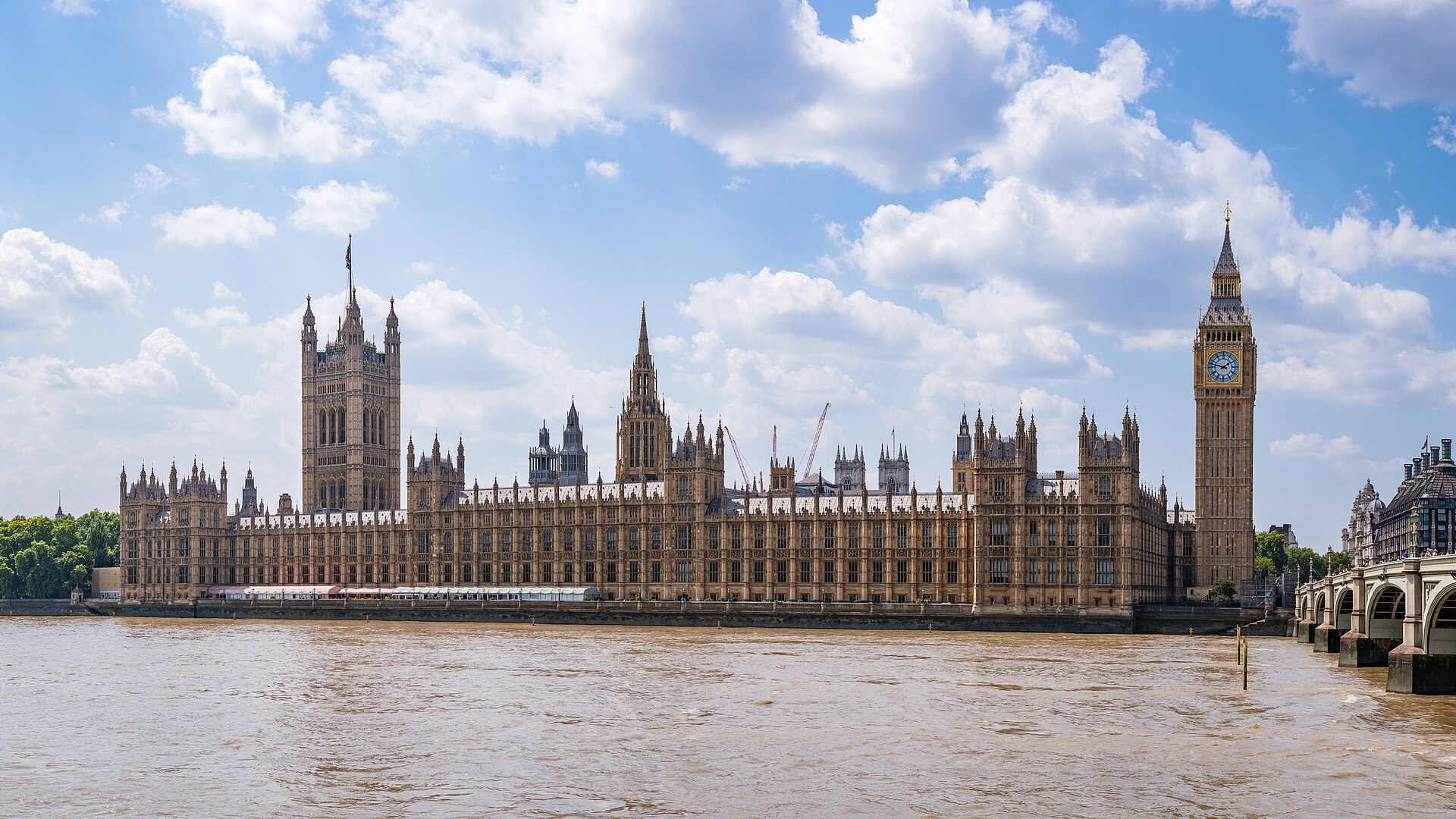
A Bit About Palace of Westminster Restoration and Renewal, London
Maintaining the Palace of Westminster currently costs about £1.5 million a week, and that figure is forecast to reach roughly £2 million a week before 2030. That number, more than any architectural argument, is what drives the Restoration and Renewal programme. In February 2026 Parliament published costed proposals. The National Audit Office reviewed them in June.
Project Scope
Phase 1 is capped at £3 billion over seven years, about £429 million a year excluding inflation, and starts in 2026. It does not restore the Palace. It builds the conditions under which restoration becomes possible: temporary debating chambers and offices, preparatory work at Cloister Court, refurbishment of the Victoria Tower interior, underground works, and a river jetty so material can move by water rather than through central London traffic. It also procures a strategic delivery partner. No construction contractor has been appointed.
The decant arrangements are settled in outline. The Commons would move to the Northern Estate; the Lords to the QEII Conference Centre, whose acquisition is under negotiation.
Two long-run options remain on the table. Full Decant is costed at £8.4 billion to £11.5 billion excluding inflation, or £11.1 billion to £15.6 billion with it, over 19 to 24 years. Enhanced Maintenance and Improvement, the option that keeps Parliament in the building, runs £11.8 billion to £18.7 billion excluding inflation, or £19.5 billion to £39.2 billion with it, over 38 to 61 years. A decision is due by mid-2030 and the earliest decant is 2032. The programme carries a target of 1,000 apprenticeships.
Why It Matters
The two options aren’t really a choice between cheap and expensive. They’re a choice between a shorter disruption at a known price and a longer one at a price nobody can bound. Delay itself is costed at £320 million to £420 million a year, so the decision has a meter running on it.
The NAO’s recommendations were about governance rather than engineering: a single integrated masterplan, and a fast-track escalation route. On a programme where the client is two Houses of Parliament and the building is a UNESCO World Heritage Site, that is the harder problem.
Project Team & Details
| Owner / Client | UK Parliament (Restoration and Renewal Client Board) |
|---|---|
| Status | Planned |
| Funding Source | Public (Federal) |
Where to find this project
Sorry, no records were found. Please adjust your search criteria and try again.
Sorry, unable to load the Maps API.
More images from Palace of Westminster Restoration and Renewal, London


Project Team & Details
| Owner / Client | UK Parliament (Restoration and Renewal Client Board) |
|---|---|
| Status | Planned |
| Funding Source | Public (Federal) |