
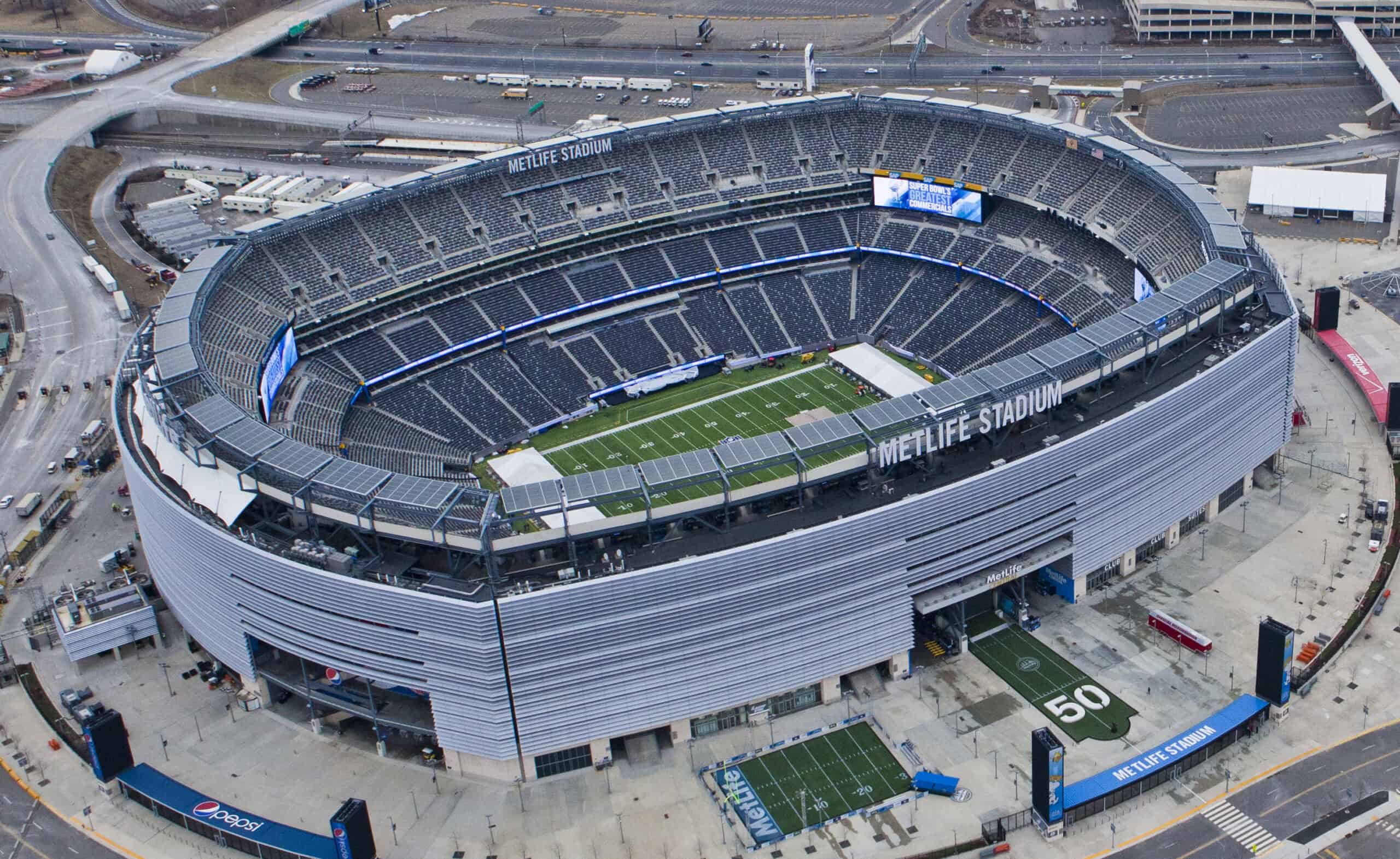
Stadiums are energy hogs by reputation: tens of thousands of seats, acres of lighting, an HVAC load that spikes a few dozen times a year and sits idle the rest. So the U.S. Green Building Council picked a pointed example to prove a point. On June 1 it launched a Sustainable Stadiums interactive map, and the headline number is that 31 venues across North America now hold LEED certification.
The range is wide. It runs from the 9,500-seat Southwest University Park in El Paso to the 88,000-seat Estadio Banorte in Mexico City. Most of the certified venues didn’t earn the rating during construction. They got there through LEED for Operations and Maintenance, the version of the standard that scores how a building actually runs day to day.
Operations, Not Just Ribbon-Cuttings
That distinction matters for the trade. LEED O+M rewards the unglamorous work of tuning energy and water use after a building opens, which means an aging stadium can claw its way to high performance without a ground-up rebuild. MetLife Stadium in East Rutherford, New Jersey, is the most recent addition, earning Gold in May on the back of on-site solar, LED and motion-sensor lighting, and a hybrid-electric vehicle fleet. Levi’s Stadium, home of the San Francisco 49ers, runs 1,162 solar panels, low-flow plumbing, and a 7,500-square-foot rooftop garden that grows more than 40 crops.
The Numbers Behind the Sustainable Stadiums Map
Pulled together, the certified venues report more than 11,500 solar panels generating over 5,000 megawatt-hours of renewable energy a year, plus more than 100 million gallons of potable water saved annually. Those are operating savings, not modeled projections, which is the more credible kind.
There’s a reason USGBC is leaning on sports. Stadiums are public, photogenic, and tied to civic identity in a way an office tower isn’t, so a LEED plaque on one does outsized messaging work. Exchange has tracked a run of new venue construction lately, from the Cleveland Browns’ domed stadium in Brook Park to several others now rising. The open question for those projects is whether sustainability gets designed in from day one or bolted on through O+M a decade later. The map suggests both paths work. Building it in from the start is just cheaper.