
Contractors got a narrow bit of tariff relief this week, though not where it hurts most. A Section 232 proclamation signed Monday cuts import duties on certain agricultural and industrial equipment to 15% starting June 8, the White House said. The broader 50% tariff on steel, aluminum and copper, the line items that actually move a project budget, doesn’t change at all.
What the June 8 tariff adjustment changes
Agricultural equipment such as combines and harvesters drops to 15% from the 25% rate set in April. The same 15% rate now covers certain residential HVAC systems and components, and it extends to mobile industrial equipment, bulldozers and forklifts among them, when imported from trading partners the U.S. has struck deals with since the start of the term, including the European Union, Japan and South Korea. The administration also added aluminum lithographic plates and steel racks to the list of derivative products carrying the 25% rate.
“This modification appropriately accounts for these products’ roles in productive economic activity in the United States,” President Trump said in the document. The equipment and derivative changes run through Dec. 31, 2027.
Why construction material costs stay high
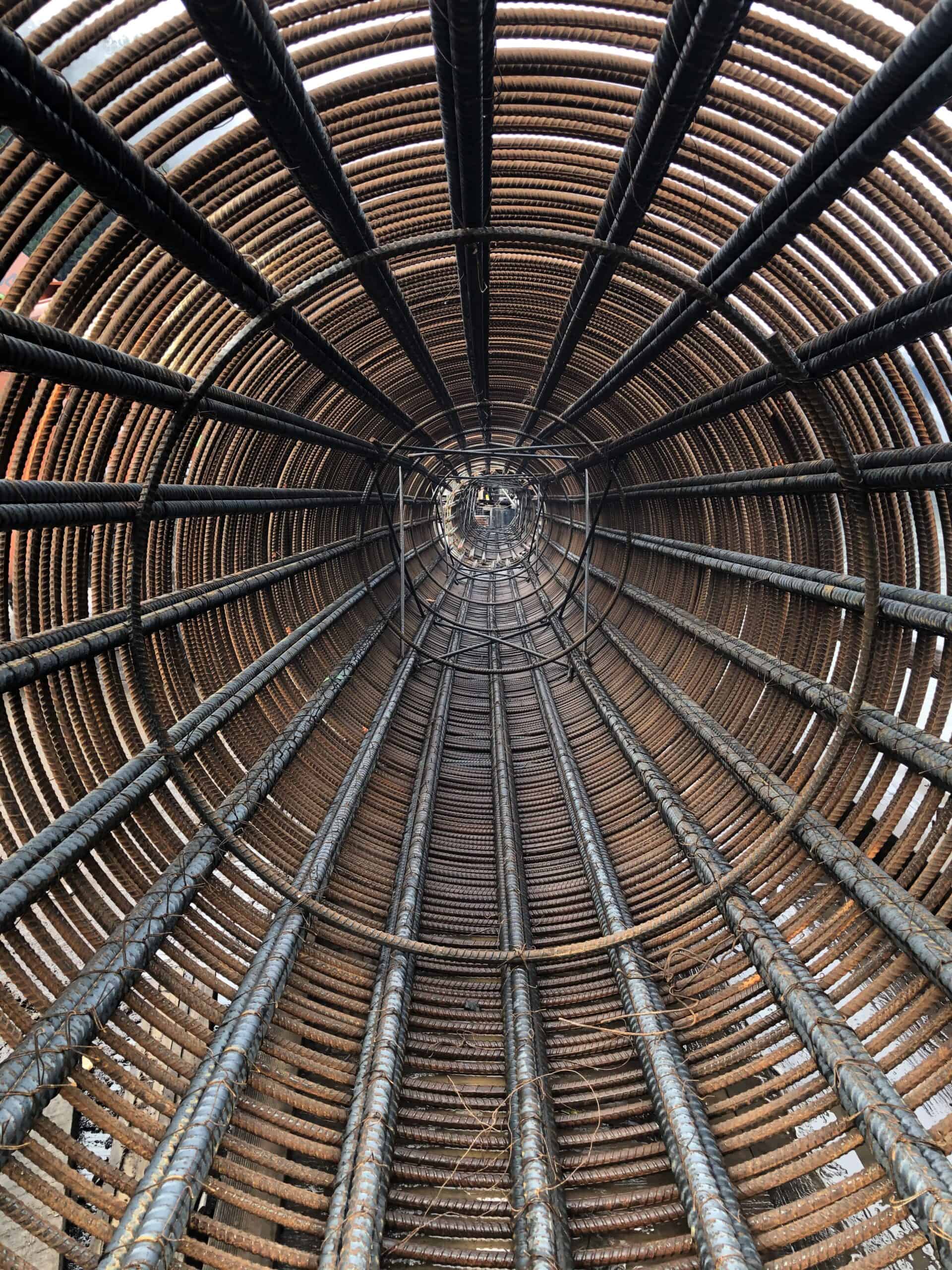
Read past the headline and this looks like targeted relief, not a reset. Heavy equipment and HVAC gear get cheaper at the margin. Rebar, structural steel, copper wire and aluminum curtain wall don’t. Those still carry the 50% Section 232 duty, and input prices have been climbing because of it. Our earlier coverage of 12.6% input-price growth tracked exactly that pressure, and nothing in Monday’s proclamation eases it.
There’s a longer-game provision worth flagging. Starting Jan. 1, 2028, imports qualify for a 10% rate if 85% of their content is U.S.-produced steel, aluminum or copper, down from the current 95% “entirely domestic” threshold. The intent, per the proclamation, is to pull more American metal into downstream products. Whether suppliers can hit even 85% domestic content at scale is the open question.
One more detail for the legal-watchers: after the Supreme Court tossed the emergency-powers tariffs earlier this year, this proclamation carries a severability clause, so a court striking one piece won’t unwind the rest. For estimators pricing 2027 work, the takeaway is simple. Equipment lines may ease slightly. Metals stay expensive, and the contingency line stays where it is.
Source: Construction Dive and the White House proclamation.