
Every contractor bidding federal work is about to face a question nobody has a good answer to: was your proposal scored by a person or by a model?
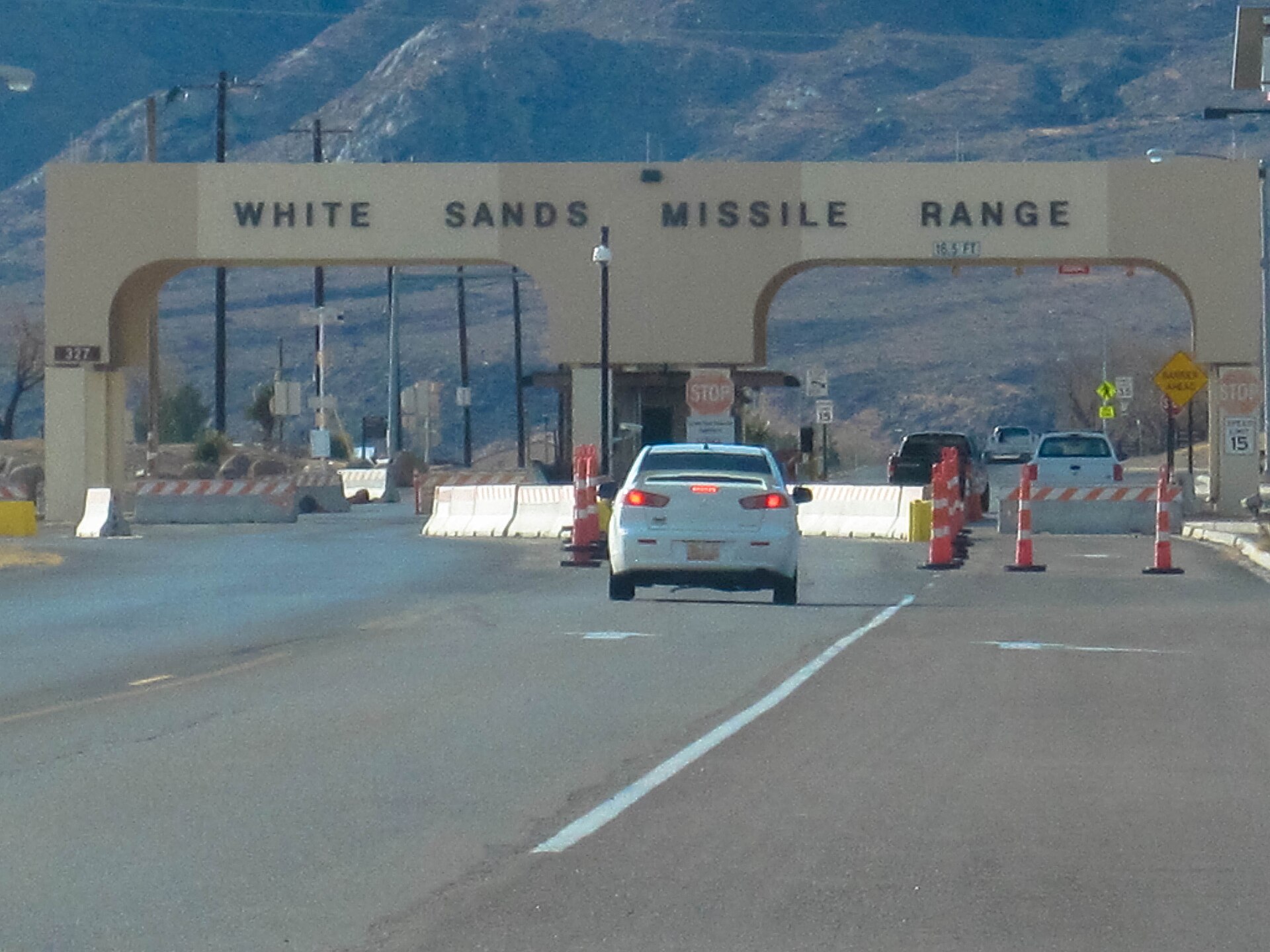
Court filings unsealed on July 31 in a U.S. Court of Federal Claims bid protest revealed that Army Contracting Command-Detroit ran an internal generative AI platform called FAST TRACK against live proposals during source selection for a $449.4 million support contract at White Sands Test Center in New Mexico. Judge Carolyn N. Lerner has now ordered the government to produce the tool’s analyses of all three proposals and place them in the administrative record.
The award and the protest
The contract covers engineering and technical support at White Sands: a three-month phase-in, a nine-month base period, four one-year options, and a possible six-month extension. Incumbent Southwest Range Services LLC won at $449.4 million. TRAX International Corp. bid $420 million, and the Army justified the $29.4 million premium, about 6.5%, on technical strengths. Both offerors were rated outstanding overall for mission capability; Southwest Range rated outstanding on continuity of operations where TRAX rated good.
TRAX argues that an unsupported “weakness” in its evaluation carries the hallmarks of an AI hallucination. The Army has already conceded to the Government Accountability Office that the weakness was erroneous. GAO denied the protest on May 14 anyway, finding no competitive prejudice.
The Army’s defense is procedural
According to a declaration from a procurement analyst with the Mission and Installation Contracting Command, FAST TRACK was demonstrated on May 1, 2025, and the White Sands procurement plus a second active competition at Dugway Proving Ground in Utah were selected as test subjects. The declaration states there were “clear instructions that none of the results generated from the tool would be used to inform the source selection evaluation boards for any real-world acquisition.”
The four-member evaluation board had finished reviewing Offeror A before the output was projected on a screen. Members received no electronic or paper copies. That’s the whole firewall: timing and the absence of handouts.
Where this lands for bidders
DOJ opposed adding the AI materials, arguing they were never part of the source-selection record. Lerner granted the motion anyway and ordered briefing on relevance. Many of the analyses and supporting declarations remain under seal, and the case is pending on cross-motions.
The precedent that matters isn’t about this award. It’s that a judge was willing to pull an agency’s internal AI experiment into a protest record over the government’s objection. Expect discovery requests on AI tooling to become standard in federal design-build and MATOC protests within a year, on everything from range support to the $69.5 million Death Valley utility rebuild the Park Service awarded the same week, and expect agencies to start writing formal policies specifically so they have something to point at.