The City of London planning committee voted 19 to 3 on 10 February 2026 to consent Network Rail’s rebuild of Liverpool Street station. It’s the second attempt at the site. Sellar and Herzog & de Meuron’s taller scheme was withdrawn, and Network Rail came back with ACME.
Project Scope
An 18-storey, 97-metre office building of roughly 90,000 square metres sits over the concourse and is the funding mechanism for about GBP 500 million of station works. The concourse grows by 76 percent, the lower concourse by 23 percent. The accessibility package is the part passengers will actually feel: eight new lifts giving step-free access across National Rail and the Underground, and escalators going from four to ten. New landmark entrances go on Liverpool Street, Bishopsgate and Exchange Square, with more gatelines, waiting lounges, toilets including family facilities on every level, new signage and cycle parking. AECOM covers engineering and transport, Gleeds cost, Donald Insall Associates heritage and townscape, with Certo, Gerald Eve, GIA and SLA on the rest of the team. No main contractor has been appointed and no construction start or completion date has been published. Everything will be staged around a fully operational terminus serving National Rail, the Elizabeth line and four Underground lines.
Why It Matters
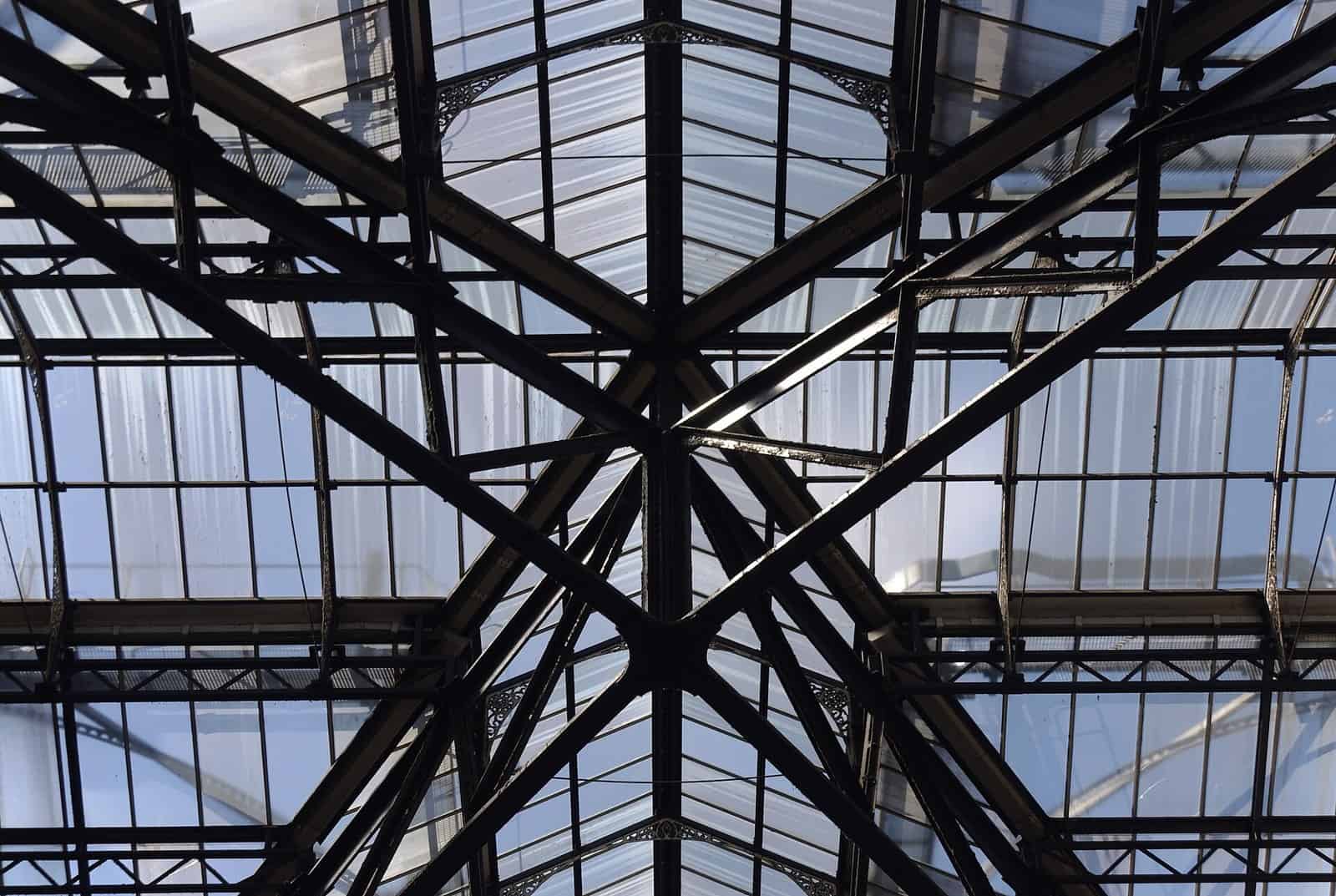
Liverpool Street handles about 118 million passengers a year, is forecast to reach 158 million by 2041 and the scheme targets over 200 million. The station was last significantly rebuilt in 1991 and the Victorian fabric is Grade II listed, with parts coming down under the consented scheme. Network Rail’s position is that the trainshed itself is untouched and new views open onto it. That did not settle the argument. The application drew around 4,900 written representations, 3,700 of them objections against 1,100 in support, one of the most contested consents the City has handled in years. SAVE Britain’s Heritage ran a rival retrofit scheme by John McAslan + Partners and heritage groups later asked the Mayor of London to intervene. Embodied carbon in partial demolition was a principal objection alongside heritage impact, though Historic England called the revised plans a significant improvement on the first scheme. Note the value is reported variously at GBP 1 billion, GBP 1.2 billion and GBP 1.5 billion, the last of those referencing the earlier design.
Related coverage & projects
Project Team & Details
| Owner / Client | Network Rail |
|---|
| Architect | ACME |
|---|
| Consultants | AECOM (Engineering and Transport)
Certo (Project Management)
Gerald Eve (Planning)
Gleeds (Cost Management)
Donald Insall Associates (Heritage and Townscape)
GIA (Daylight and Sunlight)
SLA (Landscape Architecture) |
|---|
| Status | Planned |
|---|
| Funding Source | Mixed |
|---|