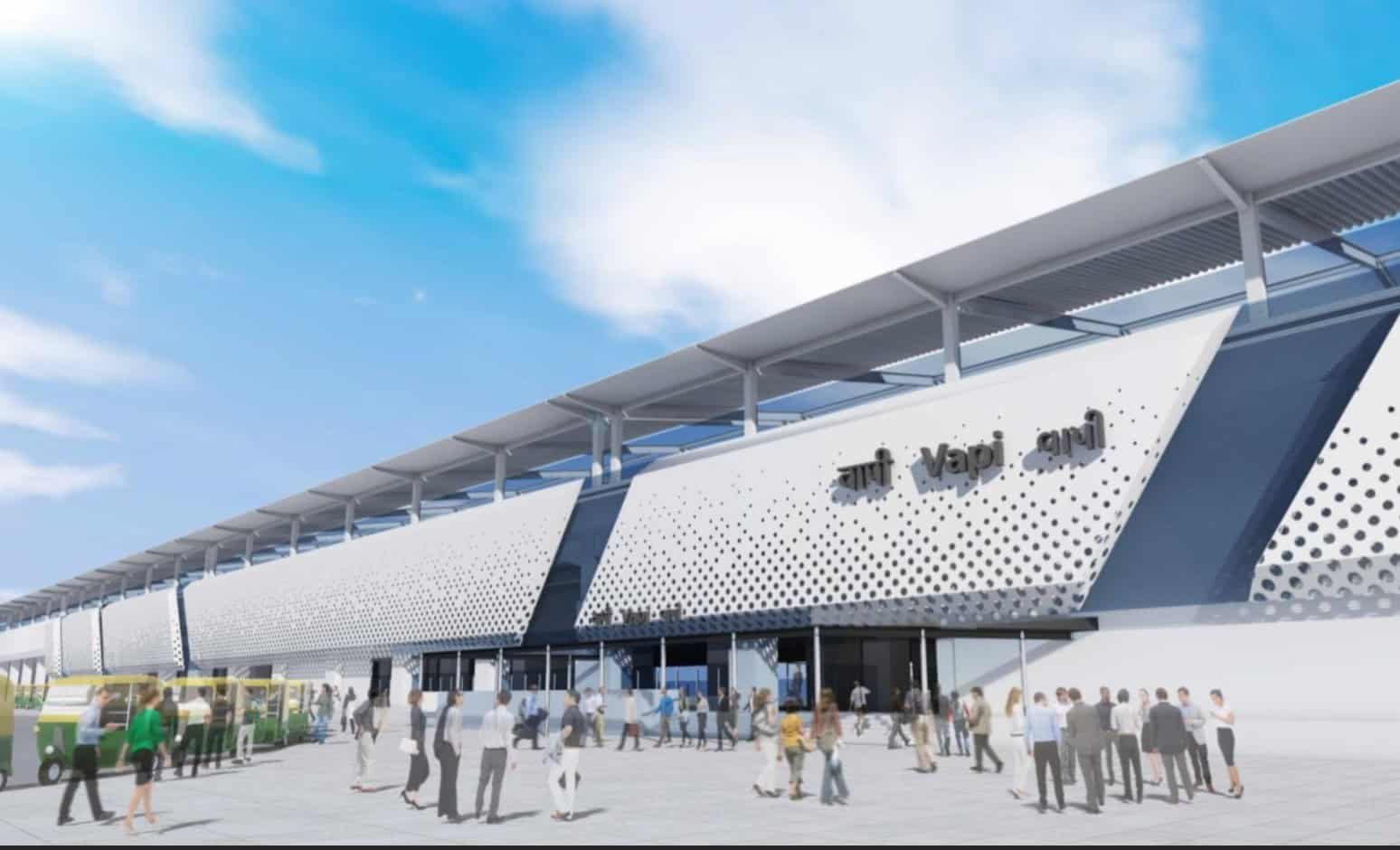
India has been trying to build a high-speed railway since the 1980s. This is the one that is actually going in the ground: 508 kilometres from Bandra Kurla Complex in Mumbai to Sabarmati in Ahmedabad, twelve stations, Shinkansen technology, 320 km/h design speed, and 326 kilometres of viaduct already standing.
Project Scope
The corridor is predominantly elevated. Seventeen of twenty-five planned river bridges are complete. Larsen & Toubro holds the largest viaduct packages and Package T1, which covers 156 route-kilometres of ballastless track from BKC to Zaroli village in Gujarat. Afcons Infrastructure holds Package C2: 21 kilometres of tunnel including a seven-kilometre undersea section, the first undersea rail tunnel in India. Underground stations go at Bandra Kurla Complex and Shilphata.
The financing is the part most people underestimate. JICA is lending INR 88,087 crore of the roughly INR 1.08 lakh crore cost at 0.1 percent over 50 years, with repayments starting fifteen years after commissioning. That is among the most concessional infrastructure debt anywhere, and it is why the project survived a decade of cost and land-acquisition trouble that would have killed a commercially financed line.
The priority stretch is the 47-kilometre Surat to Bilimora section, where major civil works and track-bed installation are finished. Railway Minister Ashwini Vaishnaw has committed publicly to opening it on 15 August 2027 and the full corridor by the end of 2029. Those are ministerial statements rather than contractual dates and should be read that way.
Service will start with an indigenously developed Indian high-speed trainset, with Japanese E10 Shinkansen sets to follow in the early 2030s.
Why It Matters
326 kilometres of completed viaduct is a serious precast and launching-gantry achievement by any standard, and it was done on a corridor crossing two states and a union territory with the land acquisition running concurrently. The construction-methods transfer matters as much as the trains: full-span launching, ballastless track and Japanese quality-assurance regimes are now in the hands of Indian contractors who will bid the next corridors.
The undersea tunnel is the schedule risk. Seven kilometres under Thane creek is the one element with no domestic precedent, and it sits on the Mumbai end, which is the section that has to be complete before anything runs into BKC.
Project Team & Details
| Developer | NHSRCL, a joint venture of the Government of India with the governments of Gujarat and Maharashtra |
|---|
| Owner / Client | National High Speed Rail Corporation Ltd (NHSRCL) |
|---|
| Consultants | Japan International Cooperation Agency (Technology partner and lender) |
|---|
| General Contractor | Larsen & Toubro (viaduct packages and Package T1 track); Afcons Infrastructure (Package C2 tunnel) |
|---|
| Status | Under Construction |
|---|
| Delivery Method | Design-Bid-Build |
|---|
| Funding Source | Public (Federal) |
|---|